

A brand’s first impression often begins with a visual element, and Professional Logo Design plays a major role in creating that impression. A logo is not just a simple graphic or decorative symbol; it represents a company’s identity, values, personality, and reputation.
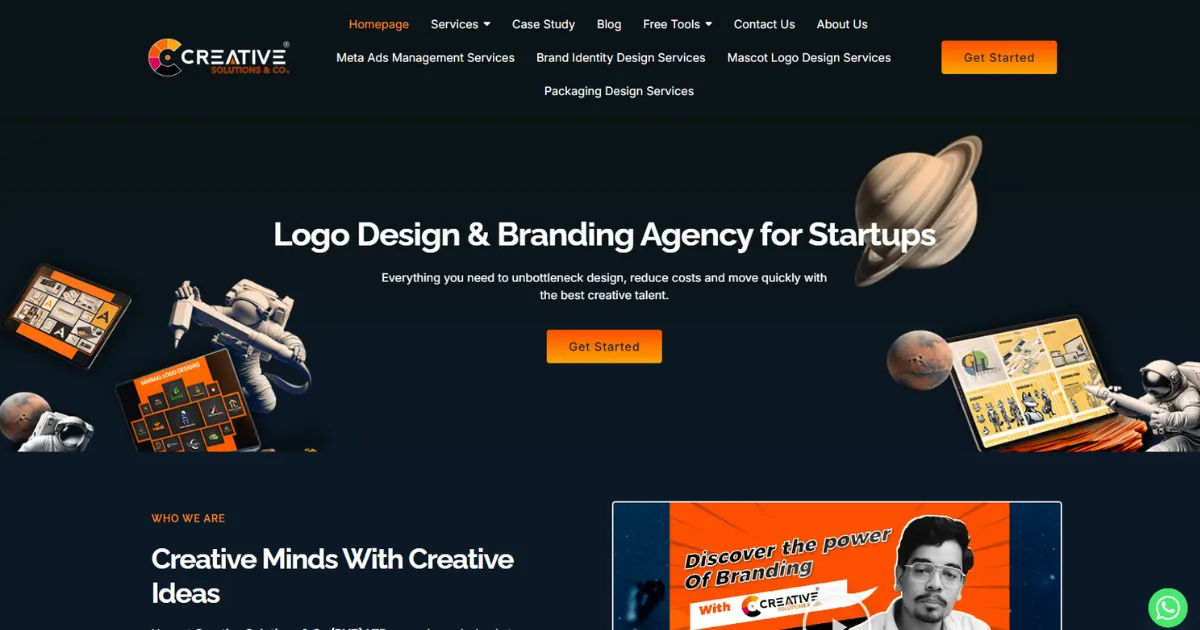
In a competitive market where customers see countless brands every day, Professional Logo Design helps businesses create a strong logo that becomes recognizable and memorable. A carefully created logo communicates professionalism and builds confidence among potential customers. Whether it is displayed on a website, product packaging, social media profile, business card, or advertisement, a logo acts as the face of a brand.
Companies that invest in quality design often have a stronger opportunity to establish trust and long-term relationships with their audience.Understanding why a logo matters helps businesses make better decisions about branding. A poorly designed logo can create confusion, while a thoughtfully designed logo can support growth, credibility, and customer loyalty. This guide explains the importance of professional logo creation and how it impacts business success.
The Importance of a Logo
A logo is one of the most important elements of a company’s visual identity. It allows customers to identify a business quickly and differentiate it from competitors. In many cases, people remember a brand’s logo before they remember its name.
A successful logo combines colors, shapes, typography, and visual concepts to represent what a business stands for. It creates an emotional connection with customers and gives them a reason to remember the brand.
Businesses of all sizes, from startups to large corporations, rely on logos to communicate their message. A strong logo helps create consistency across different marketing platforms and gives a company a professional appearance.
A Logo Creates the First Impression
Customers often make quick judgments about a business based on its appearance. Before reading about products or services, they may notice the company’s logo. This first interaction can influence whether they view the brand as trustworthy and reliable.
Professional Logo Design helps businesses create a positive first impression by using thoughtful design strategies. Designers consider factors such as industry trends, target audiences, brand personality, and customer expectations.
For example, a technology company may choose a modern and minimal logo to represent innovation, while a luxury brand may use elegant typography and sophisticated colors to communicate exclusivity.
A well-designed logo immediately tells customers that a business values quality and attention to detail.
Building Brand Recognition
Brand recognition is essential for business growth. Customers are more likely to choose brands they recognize and trust. A memorable logo makes it easier for people to identify a company among many competitors.
Think about famous brands around the world. Their logos are instantly recognizable because they have consistent designs that remain memorable over time.
Professional Logo Design focuses on creating a unique visual identity that customers can associate with a specific business. When people repeatedly see the same logo across different platforms, it strengthens their connection with the brand.
Consistent exposure improves familiarity, and familiarity often leads to customer confidence.
Creating Trust and Credibility
Trust is one of the most important factors in customer decisions. People want to purchase products or services from businesses that appear reliable and professional.
A poorly designed logo may make a company appear inexperienced or unprofessional. On the other hand, a polished and strategic logo shows that a business is serious about its image.
Professional Logo Design helps establish credibility by presenting a brand in a clear and organized way. It shows customers that the company has invested time and effort into creating a strong identity.
This trust can influence purchasing decisions and encourage customers to build long-term relationships with the brand.
Communicating Brand Values
A logo is a visual representation of a company’s mission, values, and personality. Every design element has the ability to communicate a specific message.
Colors can influence emotions. Typography can represent different personalities. Shapes can create specific associations.
For example:
- Blue often represents trust, security, and professionalism.
- Green is commonly associated with nature, growth, and sustainability.
- Black can communicate luxury, power, and sophistication.
- Rounded shapes may create feelings of friendliness and approachability.
A professional designer understands how these elements work together to communicate the right message.
Helping Businesses Stand Out From Competitors
Modern markets are highly competitive. Many businesses offer similar products and services, making differentiation extremely important.
A unique logo helps a company create its own identity instead of blending into the competition. Customers are more likely to remember businesses that have a distinctive and appealing visual presence.
Professional Logo Design allows companies to develop logos that reflect their unique characteristics. Instead of copying competitors, businesses can create something original that represents their own story.
A strong visual identity can become a valuable competitive advantage.
Improving Marketing and Advertising Efforts
A logo supports every marketing activity a business performs. From online advertisements to printed materials, the logo provides a consistent identity.
When customers see the same logo across websites, social media, packaging, and promotional materials, they develop stronger brand awareness.
Professional Logo Design ensures that a logo works effectively across different marketing channels. A good logo should look attractive whether it appears on a large billboard or a small mobile screen.
This flexibility makes marketing campaigns more effective and creates a unified brand experience.
Creating a Strong Online Presence
Today, many customers discover businesses online. Websites, social media platforms, and digital advertisements require strong visuals to capture attention.
A professional logo improves online credibility and helps businesses appear more established. It creates consistency between different digital platforms and makes profiles easier to recognize.
A company’s logo is often the first visual element users notice when visiting a website or social media page. A professional appearance encourages visitors to explore further.
Supporting Customer Loyalty
Strong branding encourages customers to develop emotional connections with businesses. A recognizable logo becomes a symbol of positive experiences, quality products, and reliable service.
When customers have good experiences with a brand, the logo becomes associated with those positive feelings.
Professional Logo Design contributes to customer loyalty by creating a visual symbol that represents trust and satisfaction.
Over time, customers may begin to recognize and prefer a brand simply because they feel familiar with its identity.
Why DIY Logos Often Fail
Many businesses try to create logos themselves using basic online tools. While these options may seem affordable, they often lack strategic thinking and professional quality.
A logo requires more than attractive colors or stylish fonts. It requires understanding of branding principles, design psychology, and industry expectations.
DIY logos may create problems such as:
- Poor scalability
- Weak visual identity
- Lack of originality
- Inconsistent branding
- Unprofessional appearance
A business logo should represent the company for years, making professional expertise a valuable investment.
The Role of Professional Designers
Professional designers do more than create attractive images. They research the business, understand its audience, analyze competitors, and develop concepts that support brand goals.
The design process usually includes:
Brand Research
Designers study the company’s industry, target customers, and competitors. This research helps create a logo that fits the brand’s position.
Concept Development
Multiple ideas are explored before selecting the strongest direction. Designers consider how different visual elements communicate the company’s message.
Design Refinement
After selecting a concept, designers improve details such as colors, spacing, typography, and overall balance.
Testing and Adaptation
A quality logo should work across different platforms and sizes. Designers test how it appears in various applications to ensure consistency.
Long-Term Benefits of Professional Logo Design
Investing in a quality logo provides benefits that continue for many years. Unlike temporary marketing strategies, a logo becomes a permanent part of a company’s identity.
A strong logo can:
- Increase brand recognition
- Improve customer trust
- Support marketing campaigns
- Strengthen professional image
- Create emotional connections
Businesses that focus on long-term branding understand that a logo is an investment rather than an expense.
How a Logo Influences Customer Perception
Customers often associate visual quality with business quality. A professional appearance can influence how people perceive products and services.
If a brand looks organized and trustworthy, customers may feel more comfortable choosing it. A logo helps create this perception before customers even interact with the business.
Professional Logo Design ensures that the visual message matches the company’s goals and audience expectations.
Choosing the Right Logo Design Approach
Every business has different needs, so the logo design approach should match its industry, audience, and personality.
Some brands need simple and modern designs, while others may require creative and detailed concepts. The important factor is creating a logo that communicates the right message.
Businesses should focus on originality, clarity, and timeless design rather than following short-term trends.
A logo should remain effective even as the company grows and changes.
Common Mistakes to Avoid in Logo Design
Several mistakes can weaken a brand’s identity. Businesses should avoid:
Using Too Many Design Elements
A complicated logo can become difficult to understand. Simple designs are often easier for customers to remember.
Following Every Trend
Trendy designs may become outdated quickly. A timeless approach creates stronger long-term value.
Ignoring Target Customers
A logo should appeal to the intended audience. Understanding customer expectations is essential.
Choosing Poor Quality Designs
Low-quality visuals can damage professional reputation and reduce customer confidence.
The Future Importance of Logo Design
As businesses continue moving into digital spaces, visual branding will become even more important. Customers will continue interacting with brands through websites, apps, and social platforms.
A strong logo will remain a key tool for recognition and communication.
Companies that prioritize quality branding will have better opportunities to connect with customers in crowded markets.
Conclusion
A logo is much more than a simple visual mark. It represents a company’s identity, values, and promise to customers. In a competitive business environment, having a strong and memorable identity can make a significant difference.
Professional Logo Design helps businesses create a powerful first impression, build trust, improve recognition, and develop a consistent brand image. It allows companies to communicate their message clearly and connect with their audience on an emotional level.
A well-designed logo supports marketing efforts, strengthens customer relationships, and provides long-term value. While businesses may be tempted to choose quick and inexpensive solutions, investing in professional design creates a stronger foundation for success.
A logo is often the first conversation between a brand and its customers. When that conversation begins with a thoughtful and professional design, it creates confidence, credibility, and lasting recognition.


Leave a Reply