

Online slot-style games are widely accessible today through apps, websites, and social platforms. They are often presented as harmless entertainment, but behind the colorful visuals and simple gameplay, there are important risks that users should understand.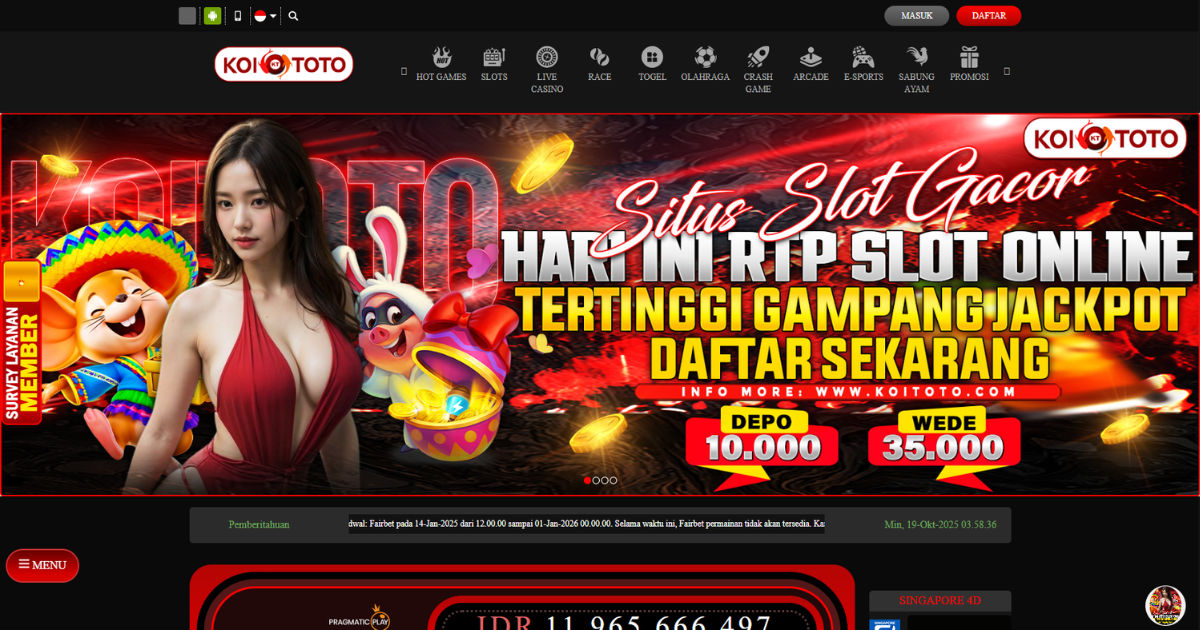
Many people start playing koitoto casually without realizing how quickly habits can form or how financial and emotional consequences can develop over time. Because these games rely heavily on chance and psychological reinforcement systems, it is essential to recognize warning signs early.
This guide explores the most important warnings, how they affect behavior, and what steps can help prevent harm.
Understanding Slot-Style Games
What These Games Are
Slot-style games are digital games based on random outcomes. Players usually press a button to spin reels or trigger an event, and the result is determined by a random system.
While the gameplay seems simple, the design is intentionally structured to keep users engaged through:
- Fast rounds of play
- Bright animations and effects
- Sound feedback for wins or near-wins
- Repeated reward cycles
These design elements are not random; they are carefully built to increase engagement time.
Why People Are Drawn to Them
There are several psychological reasons why these games attract users:
1. Simplicity
No complex rules or skills are required. Anyone can start instantly.
2. Instant Feedback
Results appear immediately, creating a fast reward loop.
3. Illusion of Control
Even though outcomes are random, players may feel their timing or choices influence results.
4. Emotional Stimulation
Wins create excitement, while near-misses create anticipation.
Financial Warning Signs
Financial risk is one of the most important areas to monitor when engaging with slot-style systems.
Spending Beyond Intended Limits
A major warning sign is when a person repeatedly spends more than they planned.
This often starts small:
- “Just a few more tries”
- “One more round”
- “I’ll stop after I win once”
Over time, these small decisions can accumulate into significant losses.
Chasing Losses
Chasing losses happens when someone continues playing in an attempt to recover money already lost.
This behavior is risky because:
- It increases emotional decision-making
- It reduces logical thinking
- It often leads to larger losses
Instead of stopping, the player becomes stuck in a cycle of trying to “fix” earlier outcomes.
Using Essential Funds
A serious warning sign is when money meant for important needs is used for play, such as:
- Rent or housing
- Food expenses
- Transportation costs
- Savings or emergency funds
This indicates a shift from entertainment to financial dependency.
Increasing Stakes Over Time
Another pattern is gradually increasing spending amounts to maintain excitement. What once felt entertaining may become less satisfying, leading to higher spending to achieve the same emotional response.
Time-Related Warning Signs
Loss of Time Awareness
Slot-style systems are designed to minimize awareness of time passing. Many users report sessions feeling much shorter than they actually are.
Extended Play Sessions
Long sessions can interfere with daily responsibilities such as:
- School or study time
- Work performance
- Family commitments
Night-Time Disruption
Playing late at night can affect sleep quality. Over time, poor sleep can lead to:
- Fatigue
- Irritability
- Reduced concentration
- Lower academic or work performance
Ignoring Daily Responsibilities
A key warning sign is when gaming takes priority over important tasks. This shift often happens gradually and may go unnoticed at first.
Emotional and Psychological Warning Signs
Mood Dependency on Results
A person may start feeling emotionally dependent on outcomes:
- Excitement after wins
- Frustration after losses
- Anxiety before playing
This emotional cycle can become repetitive and exhausting.
Compulsive Thinking
If someone frequently thinks about returning to play—even when doing unrelated activities—it may indicate a developing habit pattern.
Irritability and Stress
Stopping or reducing play may cause:
- Irritation
- Restlessness
- Difficulty focusing
These reactions suggest psychological attachment to the activity.
Using Play as Emotional Escape
Some individuals use slot-style games to avoid stress, sadness, or boredom. While this may provide temporary relief, it does not solve underlying issues and can strengthen dependency.
Behavioral Warning Signs
Loss of Control
One of the clearest warning signs is the inability to stop even when intending to.
Repeated “Last Time” Cycles
Many users say:
- “Just one more round”
- “This is the last time”
but continue playing repeatedly.
Hiding Activity
A concerning behavioral shift is secrecy, such as:
- Hiding screen activity
- Deleting history
- Lying about time spent
This suggests awareness of negative impact.
Neglecting Interests
Over time, hobbies and social activities may be replaced by gaming activity.
Social Warning Signs
Withdrawal From Relationships
People may reduce time spent with friends or family to play more frequently.
Communication Breakdown
Frequent arguments may arise due to:
- Time spent playing
- Financial concerns
- Lack of attention to relationships
Loss of Social Balance
Healthy routines include a mix of activities. When one activity dominates, balance is lost.
Platform Design Warning Signs
Lack of Transparency
If a platform does not clearly explain:
- How outcomes are generated
- What the odds are
- What limits exist
this is a serious concern.
Pressure-Based Design
Some platforms use urgency techniques such as:
- “Limited time” messages
- Flash rewards
- Countdown timers
These encourage impulsive decisions.
Reward Manipulation Techniques
Common design features include:
- Near-win effects
- Random reward timing
- Small frequent wins
These are designed to keep engagement high.
Difficulty Exiting
If it is difficult to stop or set boundaries within the platform, this is a structural warning sign.
Cognitive Effects of Slot-Style Games
The Near-Miss Effect
Near-misses occur when results look close to a win but are not. This can trick the brain into believing success is “almost achieved,” encouraging continued play.
Random Reward Reinforcement
Rewards given at unpredictable intervals are psychologically powerful because they keep anticipation high.
Overconfidence Bias
Some players believe they can “predict” outcomes based on patterns, even though results are random.
Memory Distortion
People often remember wins more strongly than losses, creating a distorted perception of success.
Healthy Boundaries and Protection Strategies
Set Clear Time Limits
Before starting any session, define a strict time boundary and stick to it.
Set Spending Limits
A fixed budget helps prevent emotional or impulsive financial decisions.
Track Activity Honestly
Keeping a record of time and money spent improves awareness and control.
Avoid Emotional Triggers
Avoid playing when:
- Stressed
- Angry
- Sad
- Extremely bored
Emotional states can increase risky behavior.
Take Regular Breaks
Breaks help reset attention and reduce impulsive patterns.
When Warning Signs Become Serious
Indicators of Concern
It may be time to take action if:
- Attempts to stop repeatedly fail
- Financial pressure increases
- Emotional distress becomes frequent
- Relationships are affected
Seeking Support
Support can come from:
- Trusted friends or family
- School counselors or advisors
- Professional mental health services
Talking about the issue helps reduce isolation and restore perspective.
Why Awareness Is Important
Understanding risks does not mean avoiding entertainment entirely—it means recognizing boundaries and staying in control.
Awareness helps:
- Prevent financial harm
- Reduce emotional stress
- Maintain healthy habits
- Support responsible decision-making
Small warning signs often appear before larger problems develop, making early recognition very important.
Conclusion
Slot-style games may appear simple, but they involve complex psychological and behavioral mechanisms that can influence decision-making over time. Financial risks, emotional dependence, time loss, and social withdrawal are all important warning signs that should not be ignored.
The key to safety is awareness and balance. When users understand how these systems work and recognize early warning signs, they are better equipped to maintain control and avoid harmful patterns. Responsible behavior ensures that entertainment remains just that—entertainment—without negatively affecting finances, health, or relationships.

Leave a Reply