

Replacing or installing new windows is one of the most important upgrades for any home. Many homeowners use a Window cost calculator to estimate expenses before starting a project. A reliable Window cost calculator helps people understand pricing, compare materials, and prepare a realistic budget.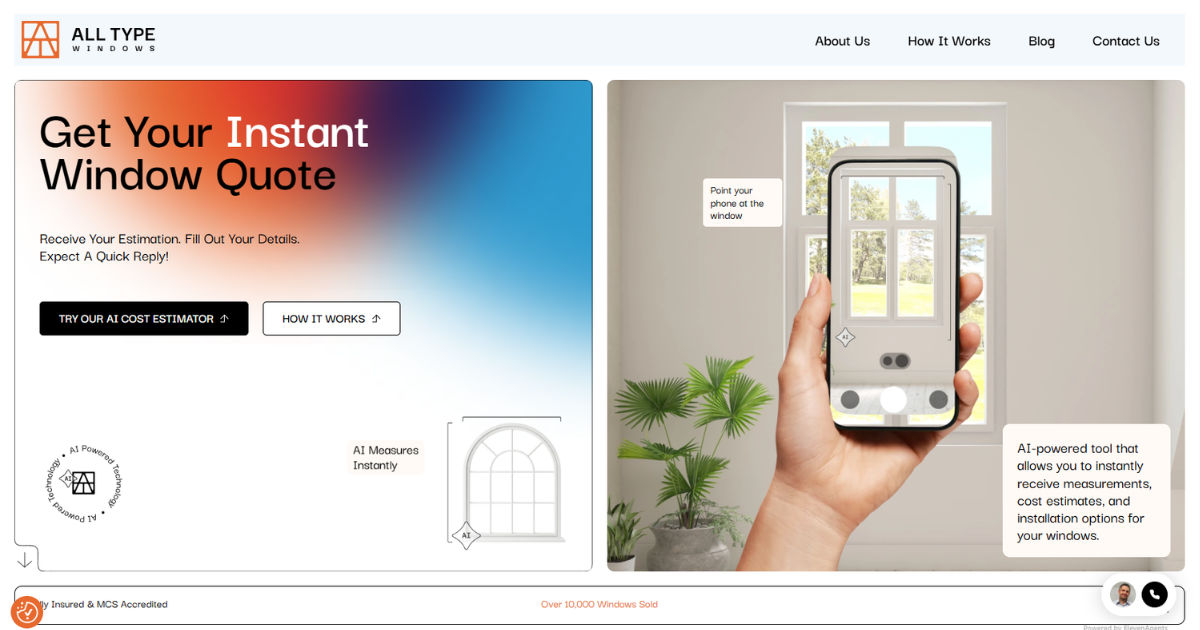
However, many people are surprised when actual window prices vary from online estimates. That happens because several important factors influence the final cost. The type of window, frame material, glass technology, labor charges, home size, and installation difficulty all affect pricing.
Understanding these details can help homeowners make smarter decisions and avoid unexpected costs. Whether you are replacing a single window or renovating an entire house, learning how a Window cost calculator works will save time and money.
This comprehensive guide explains every major factor that affects window pricing. It also explores how calculators estimate costs, common mistakes homeowners make, and practical ways to reduce expenses while still getting high-quality windows.
Window Cost Calculator
A Window cost calculator is an online tool designed to estimate the price of window installation or replacement. These calculators gather information about your project and provide an estimated total cost.
Most calculators ask for details such as:
- Number of windows
- Window style
- Window size
- Frame material
- Glass type
- Installation complexity
- Labor location
- Energy-efficient upgrades
The purpose of a Window cost calculator is to help homeowners plan financially before contacting contractors.
While calculators are useful, they usually provide estimates rather than exact pricing. Final costs may differ because every home is unique.
Why Window Prices Vary So Much
Window costs can range from a few hundred dollars to several thousand dollars per unit. A basic vinyl window is much cheaper than a custom wood bay window with energy-efficient glass.
A Window cost calculator uses averages based on market trends, but real-world conditions influence the final number.
Here are the biggest reasons prices vary:
- Window material quality
- Home location
- Brand reputation
- Installation difficulty
- Window customization
- Energy efficiency features
- Local labor rates
Even two houses in the same neighborhood can have very different window replacement costs.
Types of Windows and Their Cost Impact
The style of window chosen is one of the biggest pricing factors inside a Window cost calculator.
Single-Hung Windows
Single-hung windows are among the most affordable options. They have one movable sash while the top remains fixed.
Advantages include:
- Lower cost
- Easy maintenance
- Simple design
- Good energy efficiency
These windows are common in traditional homes.
Double-Hung Windows
Double-hung windows allow both sashes to move. They cost more than single-hung models but offer better ventilation.
A Window cost calculator often estimates higher pricing because these windows contain more moving parts.
Casement Windows
Casement windows open outward using a crank mechanism.
They provide:
- Excellent airflow
- Strong energy efficiency
- Modern appearance
However, the hardware and installation complexity increase costs.
Sliding Windows
Sliding windows move horizontally. They are popular in modern homes because they are simple and space-efficient.
Prices are usually moderate compared to other styles.
Bay and Bow Windows
Bay and bow windows are among the most expensive options in a Window cost calculator.
These windows extend outward from the house and create additional interior space. They require:
- Structural support
- Complex installation
- Multiple glass panels
As a result, costs rise significantly.
Picture Windows
Picture windows do not open. Their fixed design makes them highly energy-efficient.
Costs vary depending on size and glass type.
Window Frame Materials and Pricing
The material used for window frames heavily influences the estimate from a Window cost calculator.
Vinyl Windows
Vinyl windows are the most budget-friendly option.
Benefits include:
- Low maintenance
- Affordable pricing
- Good insulation
- Moisture resistance
Because of these advantages, vinyl windows are extremely popular.
Wood Windows
Wood windows provide a classic and elegant appearance.
They offer:
- Natural beauty
- Strong insulation
- Custom design flexibility
However, wood requires regular maintenance and costs more than vinyl.
Aluminum Windows
Aluminum windows are lightweight and durable.
They are commonly used in:
- Commercial buildings
- Modern homes
- Large window openings
A Window cost calculator may show moderate pricing, but aluminum is less energy-efficient than other materials.
Fiberglass Windows
Fiberglass windows are premium products.
Advantages include:
- High durability
- Excellent insulation
- Weather resistance
- Long lifespan
These windows are expensive upfront but may save money long term.
Composite Windows
Composite frames combine multiple materials for improved performance.
They provide:
- Strength
- Energy efficiency
- Low maintenance
Because they are advanced products, pricing is often higher.
Window Size and Dimensions
Larger windows naturally cost more than smaller ones. A Window cost calculator uses dimensions to estimate:
- Material requirements
- Glass area
- Labor time
- Structural support needs
Custom-sized windows increase costs further because manufacturers cannot use standard production methods.
Oversized windows may also require special transportation and installation equipment.
Energy Efficiency Features
Modern homeowners increasingly prioritize energy-efficient windows.
A Window cost calculator usually asks about energy upgrades because these features strongly affect price.
Double-Pane and Triple-Pane Glass
Single-pane windows are inexpensive but inefficient.
Double-pane and triple-pane windows improve insulation by trapping gas between layers of glass.
Benefits include:
- Lower energy bills
- Reduced noise
- Better indoor comfort
Triple-pane windows cost more but provide superior insulation.
Low-E Glass Coatings
Low-emissivity coatings reflect heat and ultraviolet rays.
These coatings help:
- Keep homes cooler in summer
- Reduce heating costs in winter
- Protect furniture from sun damage
A Window cost calculator increases estimates when Low-E glass is selected.
Gas Fills
Manufacturers often fill insulated glass units with argon or krypton gas.
These gases improve thermal performance and increase pricing slightly.
ENERGY STAR Certification
ENERGY STAR certified windows meet strict energy-efficiency standards.
Although they cost more initially, homeowners often save money over time.
Labor Costs and Installation Complexity
Installation expenses are one of the most overlooked parts of a Window cost calculator.
Labor pricing depends on:
- Contractor experience
- Local wages
- Installation difficulty
- Window accessibility
Ground Floor vs Upper Floor Installation
Windows on upper stories require more time and safety equipment.
Second- and third-floor installations often cost more.
Structural Repairs
Old homes sometimes have hidden damage around windows.
Contractors may discover:
- Rotting wood
- Water damage
- Mold
- Structural weaknesses
Repairs increase the final project cost.
Full-Frame Replacement vs Insert Replacement
Full-frame replacement removes the entire window frame.
Insert replacement keeps the existing frame.
A Window cost calculator usually shows higher costs for full-frame projects because labor is more intensive.
Geographic Location and Regional Pricing
Where you live greatly impacts pricing.
A Window cost calculator adjusts estimates based on local market conditions.
High-Cost Urban Areas
Cities often have:
- Higher labor rates
- More expensive permits
- Increased transportation costs
Rural Areas
Rural locations may have lower labor costs but higher shipping expenses.
Climate Considerations
Cold climates often require advanced insulation features.
Hot climates may need special solar-control glass.
Regional weather conditions directly affect window recommendations and pricing.
Window Brand and Manufacturer
Brand reputation influences cost estimates in a Window cost calculator.
Premium brands charge more because they often provide:
- Better warranties
- Advanced technology
- Superior materials
- Longer lifespan
Budget brands may reduce initial expenses but sometimes sacrifice durability.
Homeowners should compare warranty coverage carefully before purchasing.
Customization and Design Features
Custom features increase project costs quickly.
Decorative Grids
Grids create a traditional appearance but add manufacturing complexity.
Tinted Glass
Tinted glass improves privacy and reduces sunlight exposure.
Frosted or Textured Glass
Bathrooms and entryways commonly use privacy glass options.
Custom Colors
Non-standard colors often cost more than white or basic finishes.
A Window cost calculator typically increases estimates for all custom design choices.
Smart Windows and Modern Technology
Technology is changing the window industry rapidly.
Some modern windows include:
- Built-in blinds
- Smart tinting systems
- Remote-controlled opening mechanisms
- Rain sensors
These advanced products are expensive but offer convenience and energy savings.
A Window cost calculator may include premium pricing categories for smart window features.
Permit and Inspection Fees
Many homeowners forget about permits.
Local governments sometimes require permits for:
- Structural modifications
- Historic homes
- Large renovation projects
Inspection fees may also apply.
A Window cost calculator sometimes includes estimated permit costs, but not always.
Seasonal Demand and Timing
Window pricing changes throughout the year.
Peak Seasons
Spring and summer are busy seasons for contractors.
Higher demand often increases labor rates.
Off-Season Discounts
Fall and winter projects may receive discounts because contractors have fewer jobs.
Using a Window cost calculator during different seasons may produce varying estimates.
Removal and Disposal Costs
Old window removal adds extra expenses.
Contractors may charge for:
- Glass disposal
- Frame removal
- Hazardous material handling
Older homes sometimes contain lead paint or asbestos, increasing safety requirements and disposal fees.
Home Age and Existing Structure
Older homes often create installation challenges.
Common problems include:
- Uneven framing
- Water damage
- Historical design restrictions
- Non-standard window sizes
A Window cost calculator may not fully account for these complications.
Historic homes especially require specialized labor and materials.
How Accurate Is a Window Cost Calculator?
A Window cost calculator is useful for budgeting but should not replace professional estimates.
Most calculators provide rough pricing ranges rather than exact totals.
Accuracy depends on:
- Information entered
- Local pricing data
- Calculator quality
- Market conditions
Professional inspections are still necessary before finalizing a project budget.
Common Mistakes When Using a Window Cost Calculator
Many homeowners misunderstand calculator estimates.
Ignoring Installation Costs
Some calculators emphasize product pricing but underestimate labor expenses.
Choosing the Cheapest Option
Low-cost windows may reduce durability and energy savings.
Forgetting Long-Term Savings
Energy-efficient windows often lower utility bills over time.
Not Comparing Multiple Estimates
Different calculators may produce very different results.
Using several tools improves budgeting accuracy.
How to Lower Window Replacement Costs
Replacing windows can be expensive, but several strategies help reduce costs.
Replace Windows in Phases
Instead of replacing every window at once, homeowners can complete projects gradually.
Choose Standard Sizes
Standard windows cost less than custom designs.
Install During Off-Season
Contractors may offer discounts during slower months.
Compare Contractors
Always request multiple quotes before making a decision.
Focus on Energy Efficiency
Efficient windows reduce long-term heating and cooling expenses.
A Window cost calculator can help compare savings over time.
DIY vs Professional Installation
Some homeowners consider installing windows themselves.
DIY Advantages
- Lower labor costs
- Flexible scheduling
- Personal satisfaction
DIY Risks
- Improper sealing
- Water leaks
- Warranty issues
- Structural mistakes
Professional installation is usually recommended for large or complex projects.
A Window cost calculator may show lower estimates for DIY installation, but hidden risks should be considered carefully.
Return on Investment for New Windows
Window replacement improves both comfort and property value.
Benefits include:
- Better curb appeal
- Improved energy efficiency
- Increased home value
- Enhanced indoor comfort
- Reduced outside noise
Many homeowners recover a significant portion of their investment when selling their homes.
A Window cost calculator can help estimate potential long-term savings and value increases.
Environmental Impact of Energy-Efficient Windows
Modern windows contribute to sustainability by reducing energy consumption.
Energy-efficient windows help:
- Lower greenhouse gas emissions
- Reduce electricity usage
- Improve indoor temperature control
Many governments also offer rebates or tax credits for energy-efficient upgrades.
Homeowners should check local programs when using a Window cost calculator.
Questions to Ask Before Buying Windows
Before purchasing windows, homeowners should ask contractors several important questions.
What Type of Warranty Is Included?
Warranty coverage varies widely between manufacturers.
Are Installation Costs Included?
Some quotes exclude labor or disposal fees.
What Energy Ratings Do the Windows Have?
Energy performance affects long-term utility costs.
How Long Will Installation Take?
Project timelines depend on weather and labor availability.
Are Financing Options Available?
Some companies offer payment plans for large projects.
A detailed discussion helps homeowners compare estimates more effectively.
Future Trends in Window Pricing
The window industry continues evolving with new technology and environmental standards.
Future trends may include:
- More smart window systems
- Stronger energy regulations
- Sustainable manufacturing materials
- Increased automation
These developments may influence future estimates from a Window cost calculator.
Final Thoughts on Choosing the Right Windows
Selecting the right windows involves balancing budget, performance, style, and long-term value.
A Window cost calculator is an excellent starting point for homeowners planning renovations or replacements. It helps estimate costs quickly and highlights the factors influencing pricing.
However, no calculator can perfectly predict final expenses. Real-world conditions, labor rates, structural issues, and customization choices all affect the final bill.
The best strategy is to use a Window cost calculator alongside professional contractor estimates. This combination provides a more realistic understanding of the project budget.
Homeowners should focus on quality, durability, and energy efficiency instead of choosing the cheapest option available. Well-made windows can improve comfort, reduce energy bills, and increase home value for decades.
Understanding what affects window pricing empowers homeowners to make informed decisions and avoid costly surprises. Whether replacing one window or upgrading an entire house, careful planning is the key to success.

Leave a Reply