

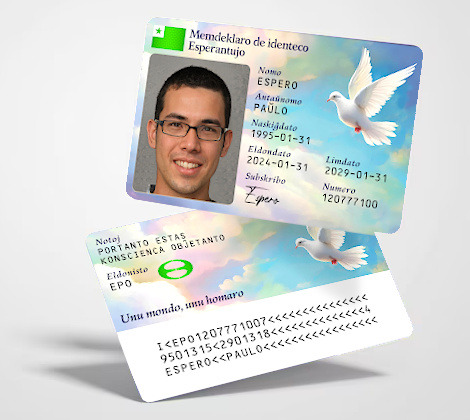
Digital identity is becoming increasingly important as more activities move online. From accessing services to creating professional profiles, people regularly share information that represents who they are. This has created interest in identity systems that give individuals greater control over their digital information. Memdeklaro can be explored within this broader discussion of self-sovereign identity and user-centered digital identity.
What Is Self-Sovereign Identity?
Self-sovereign identity, often abbreviated as SSI, is an approach that places individuals at the center of digital identity management. Rather than depending completely on a centralized organization to control identity information, users can have greater authority over their identifiers and digital credentials.
The objective is not simply to create another type of online account. Instead, SSI focuses on giving people meaningful control over how their identity information is stored, presented, and shared.
The Principle of User Control
One of the most important principles of self-sovereign identity is personal control. Individuals should have a significant role in deciding how their identity information is used.
For example, a user may hold digital credentials issued by trusted organizations and present them when verification is required. This can provide an alternative to repeatedly creating accounts or submitting the same information to different services.
Privacy and Consent
Privacy is another central principle. Self-sovereign identity encourages users to understand what information they are providing and why it is needed.
Where supported by the technology, selective disclosure can allow a person to provide only relevant information instead of revealing an entire identity record. Consent is also important because users should understand and agree to how their information is being used.
The Role of Memdeklaro
Memdeklaro can be viewed in relation to self-declared identity and personal digital representation. The concept emphasizes that individuals can communicate information about themselves rather than relying entirely on external systems to define their identity.
This user-centered perspective complements the broader principles of SSI. By giving people a more active role in presenting their identity, digital systems can potentially become more flexible and transparent.
Portability and Interoperability
Another important principle is portability. Ideally, web3 identity credentials should not be permanently locked into one platform. In compatible ecosystems, users may be able to use relevant credentials across multiple services.
Interoperability is therefore essential. Different identity technologies need to work together effectively if decentralized and self-sovereign identity systems are to achieve widespread adoption.
Security and Responsibility
Greater control also creates responsibility. Users need to protect their credentials, wallets, authentication methods, and recovery information. Organizations developing identity systems must likewise implement appropriate security measures.
Self-sovereign identity should not be viewed as automatically secure simply because it is decentralized. Security depends on careful technology design, implementation, maintenance, and responsible use.
Challenges for Adoption
Despite its potential, SSI faces several challenges. Technical standards need to mature, different platforms need greater compatibility, and users require interfaces that are easy to understand.
Education is also important. Concepts such as digital credentials and decentralized identifiers can seem complicated to newcomers. Clear guidance can help people understand both the advantages and responsibilities associated with these technologies.
Future of Self-Sovereign Identity
As digital interactions continue to grow, self-sovereign identity may become increasingly relevant. The principles of user control, privacy, consent, portability, and interoperability offer an alternative way of thinking about digital identity.
Within this evolving field, Memdeklaro can be explored as part of the broader movement toward self-declared and user-centered digital identity.
Conclusion
Memdeklaro and the principles of self-sovereign identity reflect a growing interest in giving individuals greater control over their digital representation. SSI emphasizes personal choice, privacy, consent, portability, and responsible identity management.
Although challenges remain, continued development of open standards and identity technologies could help create digital environments where people can manage their information more effectively and participate with greater awareness.

Leave a Reply