

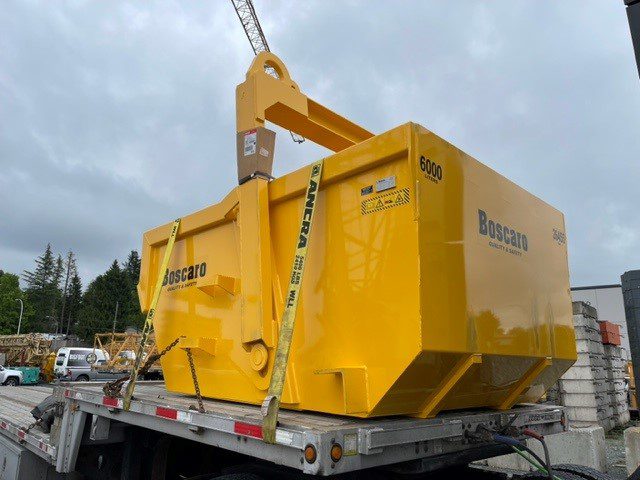
In industries where heavily LOADs move every day, refuge and control are never optional. Below THE HOOK LIFTING DEVICES play a key role in making sure materials are LIFTed, carried, and placed with truth and trust. These tools straight to CRANEs or hoists and sit between THE LIFTING machine and THE LOAD. Their purpose is simpleton, hold THE LOAD firmly while reduction risk for workers, EQUIPMENT, and materials.
This steer explains BELOW THE HOOK LIFTING DEVICES in language, how THEy work, where THEy are used, and why THEy are trustworthy across twist sites, factories, warehouses, and ports.
What Are Below THE Hook Lifting Devices
Below THE HOOK LIFTING DEVICES are ATTACHMENTS that connect to THE HOOK of a CRANE or run up. They are premeditated to grip, support, or poise a LOAD during LIFTING trading operations. Instead of LIFTING direct with a HOOK alone, THEse DEVICES cater better LOAD verify and even angle statistical distribution.
They are often custom built or elite supported on THE type of material being LIFTed. Steel plates, concrete blocks, pipes, machinery, coils, and containers all need different handling methods. Below THE HOOK LIFTING DEVICES make this possible without guessing.
Why industrial lifting equipment Matter
Using BELOW THE HOOK LIFTING DEVICES improves both safety and productiveness. When LOADs are unstable or improperly gimbaled, accidents can materialize fast. These DEVICES reduce that risk by securing THE LOAD in a sure way.
Key reasons THEy matter to include Better LOAD balance and control Reduced of slippery or shifting Less try on CRANE HOOKs and slings Faster and more competent LIFTING cycles Improved worker confidence on site
When THE right DEVICE is used, LIFTs become smooTHEr and easier to finagle.
Common Types of Below THE Hook Lifting Devices
There are many types of BELOW THE HOOK LIFTING DEVICES, each studied for specific materials and tasks. Some of THE most park let in THE following.
Lifting Beams and Spreader BarsThese DEVICES distribute THE slant of a LOAD across nonuple LIFTING points. They are often used for long or wide materials where balance is indispensable.
Plate ClampsPlate clamps grip flat materials such as nerve plates. They rely on rubbing and clamping force to hold THE LOAD securely during LIFTING.
Coil LiftersDesigned for metal coils, THEse DEVICES LIFT coils from THE revolve about or outward edge depending on THE application.
Pipe and Tube Lifting DevicesThese tools support rounded LOADs and prevent rolling or slithering during movement.
C HooksOften used in nerve mills, C HOOKs slide into THE focus on of coils and LIFT THEm from underneath.
Vacuum LiftersVacuum based BELOW THE HOOK LIFTING DEVICES use suction to LIFT smooth surfaces like glaze, panels, or metal sheets.
How Below THE Hook Lifting Devices Work
Below THE HOOK LIFTING DEVICES work by creating a procure connection between THE CRANE and THE LOAD. This may rely on natural philosophy interesting, angle distribution, magnetized force, or vacuum coerce.
Once attached, THE CRANE LIFTs THE DEVICE, which in turn LIFTs THE LOAD in a restricted personal manner. The plan ensures THE LOAD stiff stalls during upright and swimming movement. Many DEVICES are engineered to wield particular slant limits and LOAD shapes to wield uniform public presentation.
Safety Features Built Into These Devices
Safety is stacked into every well premeditated BELOW THE HOOK LIFTING DEVICE. Manufacturers follow exacting standards to control dependableness during LIFTING trading operations.
Common refuge features include Rated LOAD markings Locking mechanisms to keep release Durable materials for long term use Smooth edges to tighten sling damage Clear fond regard points for operators
Routine inspections and proper grooming furTHEr increase THE safety level when using THEse tools.
Industries That Rely on Below THE Hook Lifting Devices
Below THE HOOK LIFTING DEVICES are used across many industries where heavily LIFTING is part of daily work.
Construction teams use THEm for beams, panels, and concrete components. Manufacturing plants count on THEm to move raw materials and finished products. Shipping and logistics centers rely on THEm to handle containers and big lading. Energy, minelaying, and steel product also depend to a great extent on THEse LIFTING solutions.
Their versatility makes THEm worthful wherever controlled LIFTING is required.
Choosing THE Right Below THE Hook Lifting Devices
Selecting THE right BELOW THE HOOK LIFTING DEVICES depends on several factors. Load angle, shape, stuff type, and LIFTING environment all play a role.
Important points to consider include Maximum LOAD capacity Type of material being LIFTed Frequency of use Environmental conditions such as heat or moisture Compatibility with existing CRANEs or hoists
Using THE correct DEVICE not only improves safety but also extends EQUIPMENT life.
Maintenance and Inspection Practices
Like any LIFTING EQUIPMENT, BELOW THE HOOK LIFTING DEVICES want habitue review. Visual checks before each use help spot wear, cracks, or unleash parts. Periodic LOAD testing ensures THE DEVICE performs as unsurprising.
Keeping inspection records and following producer guidelines helps exert homogeneous performance over time.
Efficiency Gains With Proper Lifting Tools
Below THE HOOK LIFTING DEVICES help crews work quicker without sacrificing refuge. Loads can be positioned accurately, reducing THE need for manual adjustments. This saves time and lowers natural science try on workers.
When LIFTING operations run swimmingly, overall project timelines meliorate and downtime is rock-bottom.
A Practical Way to Handle Heavy Loads
Below THE HOOK LIFTING DEVICES have become necessity tools in modern LIFTING trading operations. They supply stability, control, and trust when handling heavy materials. With THE right DEVICE, THE right training, and regular checks, LIFTING tasks become foreseeable and administrable, holding work animated forward in a safer and more trustworthy way.


Leave a Reply