

In today's environmentally conscious world, sustainable packaging solutions are more important than ever. Paper pulp packaging has emerged as a leading eco-friendly alternative to plastic and foam, offering excellent protection while being fully recyclable and biodegradable. Whether you've received a package with molded pulp inserts or use export packaging pulp for your business, understanding how to properly recycle these materials is crucial for minimizing environmental impact. This comprehensive guide will walk you through everything you need to know about recycling paper pulp packaging effectively.
Understanding Paper Pulp Packaging
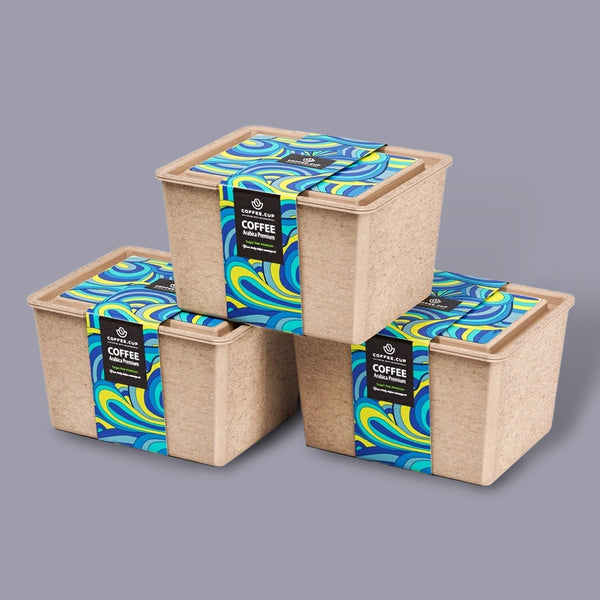
Paper pulp packaging is created from recycled paper fibers that are mixed with water and formed into various shapes through molding processes. This versatile material is commonly used for product packaging, protective inserts, food containers, and more. The biodegradable nature of pulp packaging makes it an excellent sustainable option compared to traditional plastic alternatives. When properly recycled, these materials can be broken down and remanufactured into new paper products multiple times, creating a closed-loop system that conserves resources.
Types of Recyclable Pulp Packaging
Not all pulp packaging is created equal when it comes to recyclability. The most easily recycled types include plain molded pulp without coatings, egg cartons, fruit trays, and protective packaging inserts. These items typically consist of 100% paper fibers with no additional treatments that might interfere with the recycling process.
Some specialty pulp packaging may have wax or plastic coatings to make them water-resistant for food applications. These versions require special handling and may not be accepted in all recycling programs. Always check with your local waste management facility if you're unsure about a particular item's recyclability.
Why Recycling Matters
Recycling paper pulp packaging offers significant environmental benefits. It reduces the need for virgin wood pulp, conserving forests and the ecosystems they support. The recycling process also uses less energy and water compared to manufacturing new paper products from raw materials.
Perhaps most importantly, keeping pulp packaging out of landfills prevents methane emissions that contribute to climate change. When organic materials like paper decompose anaerobically in landfills, they release methane, a greenhouse gas significantly more potent than carbon dioxide.
The Recycling Process Step by Step
Properly recycling paper pulp packaging involves more than simply tossing it in your curbside bin. Follow these detailed steps to ensure your packaging gets a second life as a new product:
1. Inspection and Preparation: Examine the packaging for any non-paper components like plastic films, tapes, or labels. Remove these contaminants as they can interfere with the recycling process. If the packaging is soiled with food residue, give it a quick rinse and let it dry.
2. Size Reduction: For larger pulp items, tear or flatten them to make processing easier. This step helps maximize space in recycling bins and allows for more efficient transportation to recycling facilities.
3. Proper Sorting: Place clean, prepared pulp packaging with other paper recyclables in your designated bin. Avoid mixing with cardboard unless your local program specifically allows it. Keep paper products dry to prevent premature breakdown of fibers.
4. Alternative Disposal: For pulp packaging that can't be recycled due to coatings or contamination, consider composting if facilities are available in your area. The natural fibers will break down and enrich soil without harming the environment.
Recycling Challenges and Solutions
While recycling paper pulp packaging is generally straightforward, certain challenges can arise. One common issue is contamination from food residues or other materials. Even small amounts of grease or food particles can render an entire batch of recyclables unusable. The solution is simple: when in doubt, throw it out or compost it instead.
Another challenge is the varying acceptance of pulp packaging across different municipal recycling programs. Some facilities have advanced sorting equipment that can handle mixed materials, while others require perfectly clean paper products. Always check your local guidelines to ensure compliance with regional recycling standards.
Recycling one ton of paper pulp saves approximately 17 trees, 7,000 gallons of water, and 4,000 kilowatts of energy compared to virgin paper production.
Paper products make up about 26% of landfill waste. Proper recycling diverts this material to productive reuse rather than burying it.
Manufacturing paper from recycled pulp uses 40% less energy than making it from virgin wood fibers, significantly reducing carbon emissions.
The recycling industry creates jobs and supports local economies while reducing waste management costs for municipalities.
Innovations in Pulp Packaging Recycling
The recycling industry continues to evolve with new technologies that improve the efficiency and effectiveness of paper pulp recycling. Advanced sorting systems using optical scanners and artificial intelligence can now separate different paper grades with incredible accuracy, increasing the quality of recycled materials.
Chemical recycling processes are also being developed to break down paper fibers at the molecular level, allowing for even higher quality recycled paper products. These innovations mean that paper pulp packaging can potentially be recycled indefinitely without significant degradation in quality.
| Material | Recyclability | Compostability | Typical Recycling Process |
|---|---|---|---|
| Standard Molded Pulp | High | Yes | Mixed with other paper products, pulped, and reformed |
| Wax-Coated Pulp | Low | No | Specialized facilities required for separation |
| Plastic-Lined Pulp | Low | Partial | Typically landfilled unless specially processed |
| Colored/Dyed Pulp | Medium | Yes | May require de-inking processes before recycling |
Beyond Recycling: Creative Reuse Ideas
Before recycling your paper pulp packaging, consider giving it a second life through creative reuse. These sturdy materials can be transformed into various practical and decorative items. Gardeners can use pulp trays as seed starters or to line planters. Artists and crafters find them excellent for papier-mâché projects or as paint palettes.
In educational settings, pulp packaging makes great materials for science projects about recycling and decomposition. Businesses might repurpose shipping inserts as organizational trays for small parts or office supplies. The possibilities are limited only by imagination, and extending the useful life of these materials before recycling maximizes their environmental benefits.
Making Sustainable Choices
As consumers become more environmentally conscious, demand grows for packaging solutions that balance protection with sustainability. When selecting packaging materials, consider the entire lifecycle from production to disposal. Paper pulp packaging stands out as an excellent choice that meets both performance and environmental criteria.
For businesses looking to enhance their sustainability profile, choosing recyclable pulp packaging demonstrates environmental responsibility that resonates with today's eco-aware customers. Many companies find that sustainable packaging choices not only reduce their environmental impact but also create positive brand associations that drive customer loyalty.


Leave a Reply