

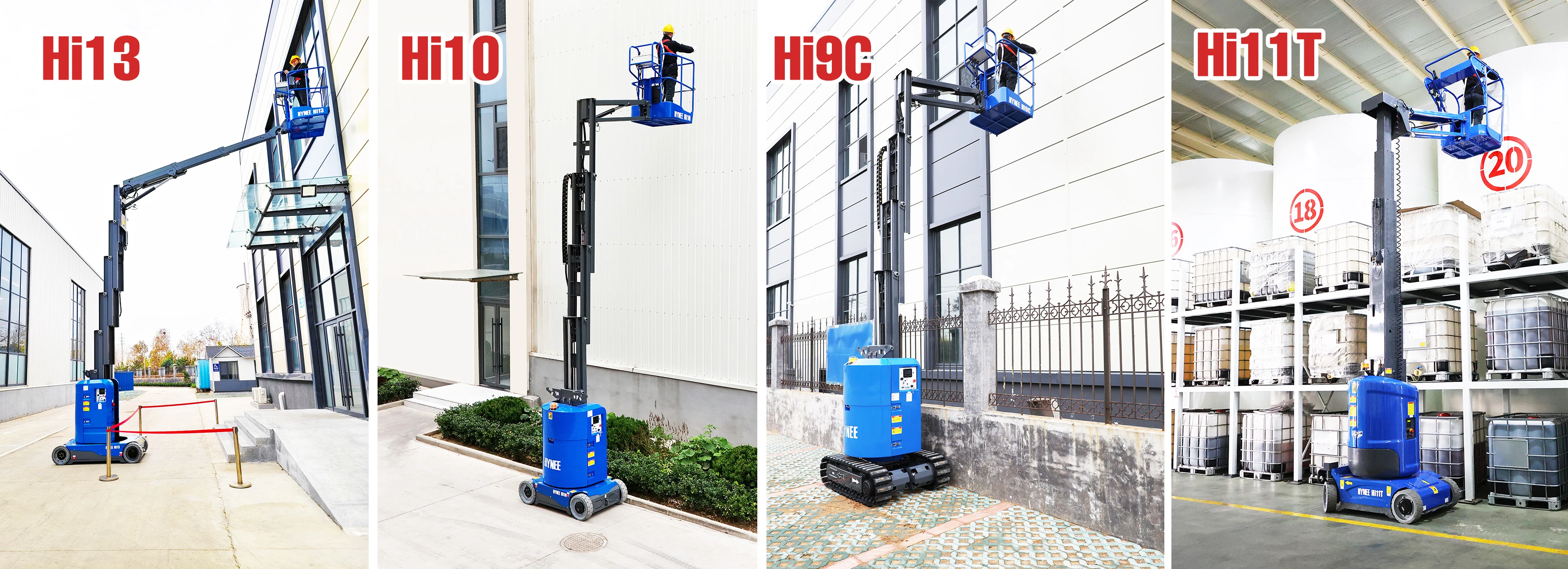
 When working at a height indoors, you need to be precise, safe, and have tools that fit the space without obstructing your work area. Many businesses, ranging from warehouses and factories to retail malls and office buildings, now opt for the vertical mast lift. It's small but flexible, so it can fit into tight spaces, pass through regular doorways, and reach heights that would require more complicated solutions.
However, not all vertical mast lifts are the same. The sort of job, the height of the work, the type of floor, and how easy it is to move around all play a role in choosing the proper model. This article goes into great detail on how to choose the best vertical mast lift for different interior situations.
Understanding the Basics of a Vertical Mast Lift
A vertical mast lift is a sort of aerial work platform that uses a telescoping mast to carry a person and their tools straight up and down. It has a smaller footprint than scissor lifts or boom lifts and usually doesn't stretch out horizontally or only does so a little bit. This makes it great for indoor locations with low ceilings or tiny doorways.
There are a lot of different types to choose from. Some need to be moved by hand, while others may be moved by the operator without getting off the platform. The height at which you may work is usually between 6 and 12 meters, and the amount of weight they can carry depends on the model.
Choosing a Vertical Mast Lift for Warehouse Operations
There are a lot of people and vehicles moving around in warehouses all the time, and the aisles are often small and the shelves are high. For use in a warehouse, a vertical mast lift needs to be able to turn quickly and work in small places without getting in the way of forklifts or stock movement.
A self-propelled electric model is usually the best choice in this case. Non-marking tires keep floors safe, and the lift may work with other warehouse activities because it is silent. The lift should also be big enough to hold the operator and any tools or small parcels that are needed for stock checks or repairs.
Selecting for Maintenance in Public Buildings
Shopping malls, airports, and sports arenas all need frequent maintenance at height, such as changing light bulbs, repairing HVAC units, or cleaning high surfaces. In these places, a vertical mast lift needs to be small, easy to move about, and quick to put up.
If repair is to be done on the top floors, the lift should be able to fit through regular doors and into lifts. The machine must be quiet so that it doesn't bother customers or visitors. It also needs safety measures like guardrails and automatic brakes. Models that don't reach very far can help reach over furniture or chairs without moving the machine.
Matching the Lift to Office or Institutional Settings
There isn't always a lot of room in workplaces, schools, hospitals, and museums, and the floors might not be able to handle heavy machinery. Here, a vertical mast lift should be light but stable, have tires that don't leave marks, and a low ground pressure to keep fragile surfaces from getting damaged.
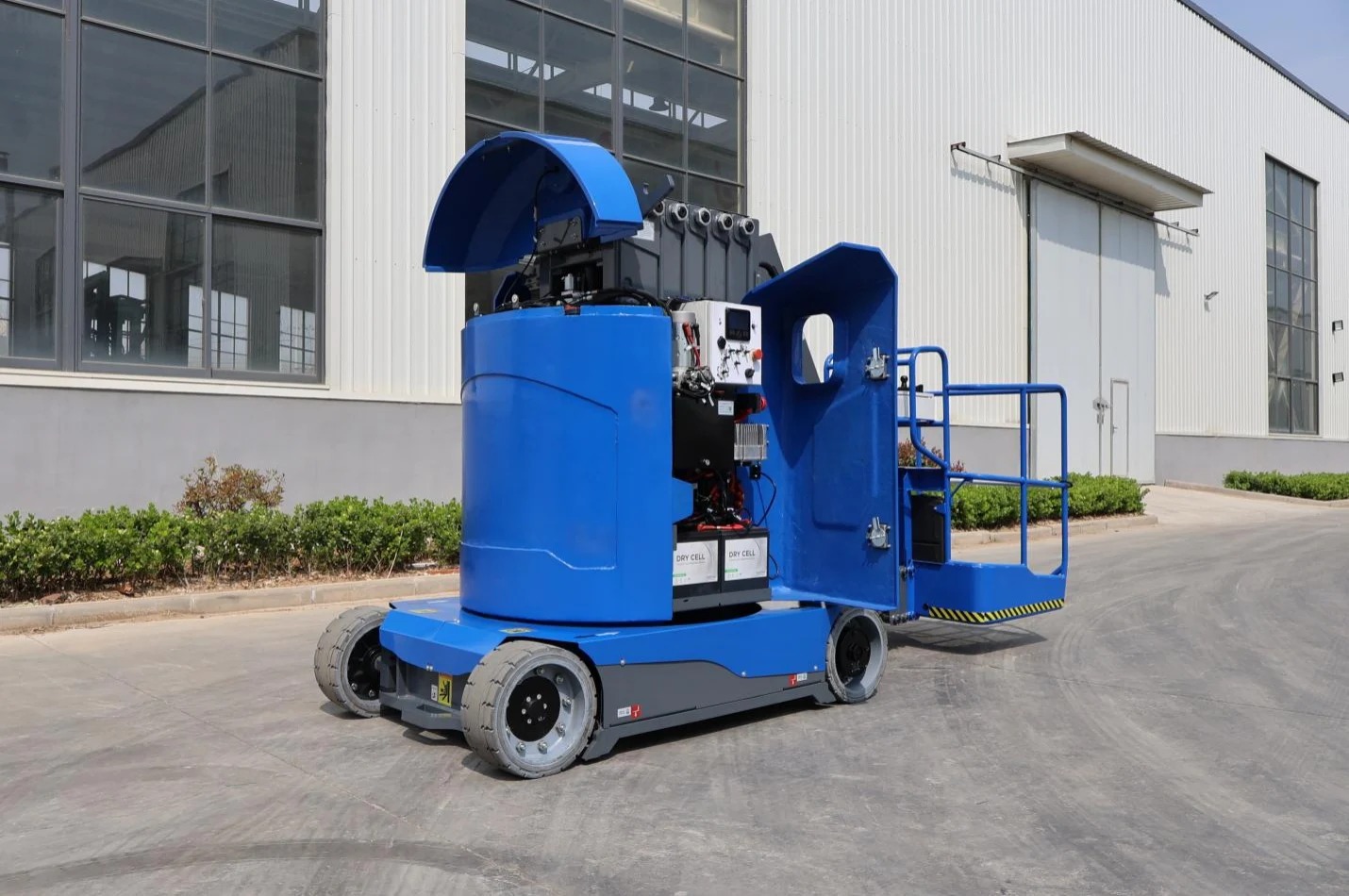
Energy efficiency can also have an effect on long-term expenditures, especially for models that run on electricity. The lift's overall worth over its lifetime is affected by how long it takes to recharge, how long the battery lasts, and how easy it is to service.
Conclusion
Choosing the correct vertical mast lift for interior work at height means making sure the machine can handle the job and the surroundings. The appropriate decision makes sure that you are safe, efficient, and get long-term benefits, whether you are moving through the restricted aisles of a warehouse, fixing high fixtures in a shopping center, or doing maintenance in a hospital.
You can make an informed choice by thinking about things like how easy it is to move, how heavy it is, how well it fits on the floor, how high it can work, and how much weight it can hold.


Leave a Reply