

When choosing a breast pump, suction strength is one of the most important things to consider. A pump may have many useful features, but if its suction does not feel effective or comfortable, it can be difficult to use regularly. The Spectra S1 Pro Breast Pump is widely recognized for its adjustable suction, strong motor, and ability to support different pumping preferences.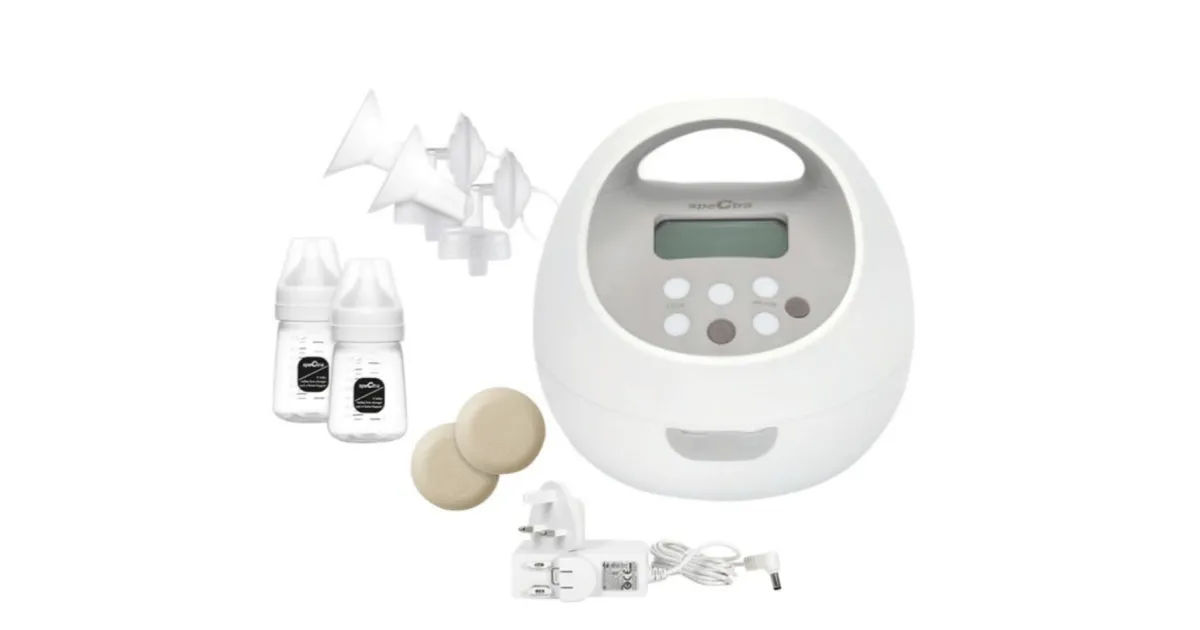
The suction strength of the Spectra S1 Pro Breast Pump can reach up to 270 mmHg, which is considered powerful for a personal electric breast pump. However, maximum suction is not necessarily the best setting for every person. Effective pumping depends on finding a suction level that is strong enough to stimulate milk flow and remove milk efficiently without causing pain or discomfort.
The real advantage of this pump is not simply its maximum suction rating. Its adjustable vacuum levels allow users to control how strong the suction feels. This flexibility can make a significant difference because every breastfeeding parent has a different comfort level, breast sensitivity, milk supply, and pumping routine.
Understanding how strong the suction really is, how the settings work, and how to adjust them properly can help you get much better results from your pumping sessions.
Understanding Breast Pump Suction Strength
Breast pump suction is commonly measured in millimeters of mercury, or mmHg. This measurement describes the level of vacuum created by the pump.
In simple terms, stronger suction creates a greater pulling force. The goal is to imitate the natural sucking action of a baby while helping milk move from the breast into the collection bottle.
However, breast pumping is not simply about using the strongest possible vacuum.
A higher suction level does not automatically mean more milk. In fact, using suction that is too strong can sometimes make pumping less comfortable and may interfere with milk release. The body responds best when the pumping experience is comfortable and relaxed.
This is why adjustable suction is such an important feature.
The Spectra S1 Pro Breast Pump provides multiple vacuum levels, allowing users to gradually increase or decrease suction according to their comfort and milk flow. This means that one person may find a medium setting highly effective, while another may prefer a stronger setting.
The ideal suction is usually the highest level that feels comfortable and allows milk to flow efficiently.
How Strong Is the Spectra S1 Pro Breast Pump?
The Spectra S1 Pro Breast Pump is generally rated to provide suction up to 270 mmHg. This places it among the stronger personal-use electric breast pumps available to breastfeeding parents.
The maximum vacuum level gives the pump plenty of power for people who need stronger suction. However, the actual sensation of suction depends on several factors.
These include breast shield size, breast shape, nipple position, pumping mode, cycle speed, and individual sensitivity.
Two people can use the same pump at the same vacuum level and experience completely different sensations.
One person might find a particular setting comfortable and productive. Another person may find the same setting too intense.
This is completely normal.
The most important point is that the maximum suction level should be viewed as the upper limit of the pump's capability, not as a recommendation for everyday use.
Most people do not need to use maximum suction throughout an entire pumping session.
What Does 270 mmHg Actually Mean?
The number 270 mmHg can sound impressive, but it does not tell the entire story of pumping performance.
Vacuum strength is only one part of the equation.
A breast pump needs to create an effective rhythm of suction and release. It also needs to maintain a good seal around the breast shield. If the flange does not fit correctly, some of the pump's potential suction can be lost.
The pump's design, motor performance, tubing, valves, membranes, and other components can also influence how efficiently the vacuum reaches the breast.
This is why comparing pumps based only on their maximum mmHg rating can be misleading.
A pump with extremely strong suction may not necessarily remove milk better than a pump with slightly lower maximum suction. Comfort, fit, rhythm, and proper technique can be equally important.
The Spectra S1 Pro Breast Pump combines strong maximum suction with adjustable settings. This gives users more control over how the pump feels during a session.
Adjustable Suction Is One of Its Biggest Advantages
One of the strongest features of the Spectra S1 Pro Breast Pump is its adjustable vacuum control.
Instead of forcing every user to operate at one fixed suction level, the pump allows you to adjust the vacuum according to your needs.
This is useful because breast sensitivity can vary significantly.
Some users may have sensitive nipples and prefer gentle suction. Others may have experience with pumping and feel comfortable using stronger vacuum levels.
The ability to make small adjustments can also help during different stages of a pumping session.
For example, you might begin with lower suction while your body adjusts to the sensation. Once milk starts flowing, you can increase the vacuum gradually if it remains comfortable.
This approach is often more practical than immediately starting at the strongest possible level.
Let-Down Mode and Expression Mode
The Spectra S1 Pro Breast Pump uses different pumping modes designed for different stages of milk removal.
The let-down or massage mode uses faster cycles and gentler suction. Its purpose is to help stimulate milk flow.
Once milk begins flowing more consistently, users can switch to expression mode. This mode uses slower cycles with stronger vacuum options to support milk removal.
The two-stage approach is important because milk release does not always happen instantly.
A baby does not necessarily begin with deep, slow sucking immediately. Breastfeeding involves changes in sucking patterns, and many electric pumps attempt to provide a similar progression.
Starting with stimulation can help encourage milk flow before moving into a more focused expression phase.
This is one reason why the strength of a breast pump should not be judged only by its highest vacuum level.
The pumping pattern also matters.
Is Stronger Suction Always Better?
No.
This is one of the most important things to understand about breast pump suction.
It is easy to assume that stronger suction will always remove more milk. In practice, that is not necessarily true.
If suction is too strong, it may cause discomfort. Pain can make it harder to relax, and relaxation can be important for milk release.
Strong suction can also pull too much tissue into the breast shield if the flange is not correctly fitted.
The result may be swelling, nipple irritation, or soreness.
For some people, increasing suction beyond a comfortable level may actually make pumping less productive.
A better approach is to find the strongest comfortable setting.
This means using enough suction to create effective stimulation and milk removal while avoiding pain.
The goal is effective pumping, not maximum vacuum.
How Strong Should You Set the Suction?
There is no single suction setting that works for everyone.
A good starting point is to begin at a comfortable low or moderate level. Allow your body to adjust to the sensation, and then gradually increase suction.
If milk flow improves and the experience remains comfortable, you may continue at that level.
If the suction becomes painful, uncomfortable, or causes excessive pulling, reduce it.
The right setting should feel firm but not painful.
You should not feel as though the pump is aggressively pulling or pinching the nipple.
During pumping, pay attention to your body.
If you notice significant pain, persistent soreness, swelling, or unusual irritation, stop and reassess the pump settings and flange fit.
If discomfort continues, consider speaking with a lactation professional or healthcare provider.
Why Maximum Suction Is Not Necessary for Everyone
People have different physiological responses to breast pumps.
Some users respond well to gentle suction. Others may need stronger vacuum levels to achieve effective milk removal.
The amount of milk a person produces is influenced by many factors, including breastfeeding frequency, hormonal changes, hydration, stress, sleep, and individual biology.
The pump itself is only one part of the process.
This means that someone using a moderate suction setting may collect more milk than someone using maximum suction.
The reason could be better flange fit, better timing, stronger let-down response, or greater comfort.
For this reason, users should avoid comparing their suction settings directly with someone else's.
The best setting is the one that works effectively for your body.
How Flange Size Affects Suction
Flange size is extremely important when discussing suction strength.
The flange, sometimes called a breast shield, is the part that fits over the nipple and surrounding breast tissue.
If the flange is too large, too much tissue may be pulled into the tunnel. This can cause unnecessary discomfort and may reduce pumping efficiency.
If it is too small, the nipple may rub against the tunnel walls. This can also cause irritation and discomfort.
An incorrect flange size can make a powerful pump feel uncomfortable even when the vacuum level is not particularly high.
It can also create the impression that the pump is not working effectively.
This is why someone experiencing poor milk removal should not automatically increase suction.
The first thing to consider may be flange fit.
A properly fitted flange allows the nipple to move freely inside the tunnel while minimizing unnecessary pulling of surrounding tissue.
Because breast anatomy varies, the size that comes with the pump may not be the ideal size for every person.
A Strong Pump Still Needs a Good Seal
The pump's suction depends partly on creating a proper seal.
If air enters around the flange or another part of the pumping system, the vacuum may not work as efficiently.
This can happen if the flange is not positioned correctly or if components are worn or damaged.
The Spectra S1 Pro Breast Pump can provide strong suction, but its performance still depends on the condition of the complete pumping system.
Check the breast shield, backflow protector, tubing, valves, and membranes regularly.
Small parts can wear out over time.
A damaged duckbill valve or worn membrane may affect milk removal and suction performance.
If the pump suddenly feels weaker than it used to, replacing worn parts may restore performance.
Before assuming that the motor has become weak, inspect the accessories.
How Pump Parts Can Affect Suction
Breast pump accessories are not permanent components.
Certain parts experience repeated movement, pressure, moisture, and cleaning. Over time, they can lose their effectiveness.
Membranes can become worn.
Valves can lose their proper shape.
Tubing can develop moisture or damage.
Connectors can become loose.
These issues can reduce the vacuum reaching the breast.
Regularly inspecting pump parts can help identify problems before they become frustrating.
If you notice that suction has suddenly decreased, compare the pump's performance with how it worked previously.
A sudden change often points to a component problem rather than a motor problem.
Replacing the affected part may make a noticeable difference.
Does Strong Suction Mean Faster Pumping?
Not necessarily.
A stronger vacuum can be helpful for some users, but pumping speed depends on several factors.
Milk flow is influenced by your body's response to stimulation.
If milk does not let down easily, increasing suction may not solve the problem.
Some people find that taking a few minutes to relax, using breast massage, applying warmth, or looking at their baby can help encourage milk flow.
Once milk begins flowing, appropriate expression settings may support efficient removal.
The Spectra S1 Pro Breast Pump gives users the ability to adjust settings throughout the session, which can be useful for adapting to changes in milk flow.
The objective should be efficient milk removal rather than simply completing the session as quickly as possible.
How the Pump Feels Compared With Manual Expression
Manual expression and electric pumping feel very different.
With manual expression, the user controls pressure directly with their hands.
An electric breast pump creates repeated suction automatically.
The Spectra S1 Pro Breast Pump may feel stronger than manual expression because the motor provides consistent vacuum cycles.
However, that does not necessarily mean it should feel painful.
A properly adjusted pump should create a rhythmic pulling sensation.
The nipple should generally move comfortably within the tunnel rather than being forcefully dragged from side to side.
If the experience is painful, the solution is usually not to simply tolerate it.
Instead, check the suction level, flange size, breast shield positioning, and pump parts.
Signs That Your Suction May Be Too Strong
There are several signs that the vacuum may be set too high for you.
Pain is the most obvious warning sign.
Other signs can include nipple soreness, significant swelling, discoloration, persistent tenderness, or irritation after pumping.
If your nipple appears unusually swollen or continues to hurt after the session, consider lowering the suction.
You may also need to check whether your flange is the correct size.
The goal is to create comfortable stimulation and milk removal.
Pumping should not be viewed as an endurance test.
If you regularly need to push through pain to complete a session, something may need to be adjusted.
Signs That Your Suction May Be Too Low
On the other hand, suction that is too low may not provide enough stimulation or milk removal for some users.
You may notice that milk flow is slow or that the breasts do not feel adequately emptied after a session.
However, low milk output does not automatically mean that suction is too weak.
Other factors may be responsible.
The flange may not fit properly.
The pump parts may need replacement.
The breast may not be positioned correctly.
You may be pumping at an inconvenient time.
Stress or fatigue may affect milk release.
For this reason, it is better to troubleshoot systematically rather than immediately increasing suction to the maximum.
Finding Your Personal Comfort Zone
Finding the right suction setting can take some experimentation.
Start with a gentle setting.
Allow the pump to stimulate milk flow.
When you switch to expression mode, gradually increase the vacuum.
Stop increasing when the suction becomes uncomfortable.
If you reach a setting that feels strong but comfortable and milk is flowing well, you may have found an effective level.
You do not need to use the same setting every time.
Your sensitivity can change from one session to another.
Some people may also prefer different settings on each breast.
The important thing is to listen to your body.
Comfort is not a sign that the suction is too weak. In many cases, comfortable pumping can be more productive because it allows you to maintain a consistent routine.
How to Improve Milk Removal Without Increasing Suction
If you are not satisfied with milk removal, increasing suction is only one possible solution.
Consider using breast massage before and during pumping.
Gentle warmth may help some people relax.
Make sure the flange is centered correctly.
Check that the nipple can move freely inside the tunnel.
Inspect pump parts for wear.
Try using stimulation mode before expression mode.
You may also find that pumping in a quiet and comfortable environment improves your experience.
Some people respond positively to looking at photos or videos of their baby while pumping.
The objective is to support the body's natural milk-release response.
A powerful pump can help, but the entire pumping process matters.
Is the Suction Strong Enough for Exclusive Pumping?
For many users, the Spectra S1 Pro Breast Pump has enough suction capability for regular pumping and exclusive pumping routines.
Its strong motor and adjustable vacuum range make it a versatile option for people who pump frequently.
However, whether it is the right pump for exclusive pumping depends on individual needs.
Someone who pumps many times a day may prioritize comfort, battery life, ease of cleaning, and reliability in addition to suction strength.
A pump can be extremely powerful, but if it is uncomfortable to use, it may be difficult to maintain a regular schedule.
The ability to customize suction is therefore particularly valuable for frequent pumpers.
Is Strong Suction Useful for Low Milk Supply?
A low milk supply can have many causes.
It may be related to feeding frequency, hormonal factors, health conditions, medications, insufficient breast stimulation, or other circumstances.
A stronger pump does not automatically correct every cause of low supply.
However, effective and regular milk removal can play an important role in supporting milk production for some breastfeeding parents.
The Spectra S1 Pro Breast Pump may be useful because it allows users to adjust suction and pumping patterns.
But if you are concerned about low milk supply, it is important to look beyond suction strength.
A lactation consultant or healthcare professional can help identify possible causes and recommend an appropriate plan.
Does Strong Suction Help With a Full Breast?
A strong suction setting may help some users remove milk efficiently when the breasts feel full.
However, comfort remains important.
When breasts are very full, the tissue may already be sensitive. Increasing suction aggressively may make the experience uncomfortable.
Starting gently and gradually increasing the vacuum can be a better approach.
Massage and proper positioning may also help.
If the breast remains unusually painful or swollen, or if you develop symptoms that concern you, seek professional medical advice.
A breast pump should be used as part of a comfortable and sustainable pumping routine.
How to Use Suction More Effectively
Getting the most from the Spectra S1 Pro Breast Pump is about using the available suction intelligently.
Start with stimulation.
Allow your body time to respond.
Once milk begins flowing, switch to expression mode.
Increase vacuum gradually.
Stay at the strongest comfortable level rather than automatically selecting the maximum.
If milk flow slows significantly, you can experiment with changing the cycle speed or returning briefly to stimulation mode.
Everyone responds differently, so it can take time to discover what works best.
Keep notes if necessary.
You may notice that a particular setting works well at certain times of day but not others.
Over time, you can develop a routine that matches your body's response.
Common Mistakes That Can Make Suction Feel Weak
Sometimes the pump itself is not the problem.
One common mistake is using an incorrectly sized flange.
Another is failing to replace worn valves and membranes.
Improper assembly can also reduce suction.
Tubing that is not securely connected can cause problems.
Moisture inside tubing may also indicate that the system needs attention.
Another mistake is assuming that maximum suction is always necessary.
Users sometimes increase vacuum because milk output is lower than expected, when the actual problem is flange fit or pump maintenance.
Checking the entire system is often more useful than simply turning up the suction.
How to Maintain Strong Pump Performance
Regular maintenance helps preserve the performance of any electric breast pump.
Clean the components according to the manufacturer's instructions.
Allow washable parts to dry properly.
Inspect valves and membranes regularly.
Replace worn parts when necessary.
Keep tubing and connections in good condition.
Avoid using damaged accessories.
If the pump suddenly becomes noticeably weaker, troubleshoot the accessories before assuming that the motor has failed.
Proper maintenance is especially important for people who pump frequently.
The more often a pump is used, the more quickly certain small components may wear.
Does Battery Operation Affect Suction?
The Spectra S1 Pro Breast Pump is known for its rechargeable battery, which makes it convenient for pumping away from a power outlet.
In normal operation, the pump is designed to provide effective suction while operating on battery power.
However, battery condition can matter over time.
If the battery becomes significantly degraded, the pump may eventually require more frequent charging.
If you notice unusual performance, make sure the pump is adequately charged and check the accessories as well.
Battery convenience is particularly useful for people who need flexibility during pumping sessions.
It allows the pump to be used in different locations without always being connected directly to a wall outlet.
How It Compares With Very Gentle Pumps
Some breast pumps are designed primarily around lightweight portability or gentle pumping.
The Spectra S1 Pro Breast Pump is generally positioned as a stronger, more substantial electric pump.
This makes it appealing to people who want a powerful motor and adjustable suction.
However, stronger does not necessarily mean better for every person.
Someone with very sensitive breasts may prefer a gentler pump.
Someone who prioritizes portability may prefer a smaller wearable model.
Someone who pumps frequently may value a combination of strong suction, customization, and durability.
The right choice depends on your personal circumstances.
How It Compares With Hospital-Grade Pumping
The term "hospital-grade" is often used casually when discussing breast pumps, but it can have different meanings depending on the manufacturer and market.
A personal electric pump should not automatically be assumed to be identical to a hospital rental pump simply because it has strong suction.
The Spectra S1 Pro Breast Pump is a powerful personal-use pump with adjustable suction and a strong motor.
Its performance may be sufficient for many people who pump regularly.
However, individuals with specific medical or lactation needs may benefit from professional guidance when selecting equipment.
The most important consideration is whether the pump meets your personal needs safely and comfortably.
Why Comfort Should Be Part of the Suction Conversation
When people ask how strong the Spectra S1 Pro Breast Pump is, they often focus entirely on the maximum vacuum level.
But a better question is: How effectively can you use that suction?
A pump that causes pain may be difficult to use consistently.
A pump that allows comfortable, effective sessions can be more valuable in the long term.
Comfort also affects routine.
If you feel comfortable while pumping, you may be more willing to maintain a regular schedule.
This is particularly important for people who pump several times each day.
The strongest suction is therefore not necessarily the most useful suction.
The most useful suction is the level that supports effective milk removal while allowing you to remain comfortable.
Who May Benefit From Strong Adjustable Suction?
People who prefer control over their pumping experience may appreciate the Spectra S1 Pro Breast Pump.
It can be especially useful for users who want to adjust vacuum levels according to their sensitivity and milk flow.
Frequent pumpers may also appreciate the ability to customize sessions.
People who have previously used electric pumps and prefer stronger suction may find its vacuum range appealing.
However, beginners should not feel pressured to use high suction levels immediately.
Starting gently and learning how your body responds is usually a better approach.
What If the Pump Still Does Not Feel Strong Enough?
If the pump does not feel as strong as expected, begin with basic troubleshooting.
First, inspect the pump parts.
Check the valves and membranes.
Look for loose connections.
Check the tubing.
Make sure the flange is positioned correctly.
Confirm that the breast shield fits properly.
If all components appear to be functioning correctly, experiment with the settings.
Remember that the sensation of suction can vary depending on the flange and your individual anatomy.
If the pump continues to perform differently from what you expect, contacting the manufacturer or a qualified professional may help identify the issue.
What If the Suction Feels Too Strong?
If the suction feels too strong, reduce the vacuum.
There is no benefit in forcing yourself to tolerate uncomfortable suction.
You can also begin the session at a lower level and gradually increase it.
If discomfort continues even at low suction, check the flange size and positioning.
Persistent pain should not be ignored.
A lactation professional can help evaluate pumping technique, flange fit, and other factors that may be contributing to discomfort.
The Importance of Individual Pumping Preferences
There is no universal "perfect" suction setting.
Breast pumps are personal devices, and the experience can vary greatly between users.
Your ideal suction may also change over time.
You might prefer gentler settings early in your pumping journey and stronger settings later.
Or you might discover that lower suction works best for you from the beginning.
Some sessions may require different settings depending on how your body feels.
The flexibility of the Spectra S1 Pro Breast Pump allows you to make those adjustments rather than being locked into a single vacuum level.
Conclusion
The Spectra S1 Pro Breast Pump offers strong suction capability, with a maximum vacuum commonly specified at up to 270 mmHg. That makes it a powerful option for people who want substantial suction and flexibility in their pumping routine.
However, the most important takeaway is that maximum suction is not the same thing as maximum effectiveness.
A successful pumping experience depends on finding the right combination of vacuum strength, cycle settings, flange fit, positioning, and comfort.
For some users, stronger suction may support efficient milk removal. For others, a moderate setting may work better. The ideal approach is to begin gently, gradually increase the vacuum, and stop at the highest level that remains comfortable.
The pump's adjustable suction is one of its major strengths because it gives users control. Instead of relying on one fixed vacuum level, you can adapt the pump to your own sensitivity and milk flow.
If suction suddenly becomes weaker, do not immediately assume the motor is failing. Inspect the valves, membranes, tubing, connectors, and other accessories. Worn or incorrectly assembled parts can significantly affect performance.
Flange fit is equally important. Even a powerful pump may not perform well if the breast shield is the wrong size or is positioned incorrectly.
Ultimately, the best suction setting is not the strongest setting you can tolerate. It is the strongest comfortable setting that supports effective milk removal and allows you to maintain a consistent pumping routine.
For many breastfeeding parents, the combination of strong maximum vacuum, adjustable settings, and a two-stage pumping approach makes the Spectra S1 Pro Breast Pump a versatile choice. Its suction is powerful enough to satisfy users who prefer a stronger pump, while its adjustable controls allow those who need gentler stimulation to customize the experience.
If you are experiencing persistent pain, nipple damage, unusually low milk output, or concerns about milk supply, it is worth seeking guidance from a qualified lactation professional or healthcare provider. Pumping should be effective, but it should also be comfortable and sustainable.
In short, the Spectra S1 Pro Breast Pump is genuinely strong in terms of available suction, but its greatest advantage is the ability to control that strength. Rather than treating maximum suction as the goal, use the pump's range of settings to find what works best for your body. When suction strength, flange fit, pump maintenance, and personal technique all work together, you are more likely to get a comfortable and effective pumping experience.


Leave a Reply