

Aluminum Composite Panels are widely used across modern architecture because they are lightweight, durable, and visually appealing. In the construction industry, Aluminum Composite Panels have become a go-to solution for cladding, signage, interior decoration, and large-scale building façades.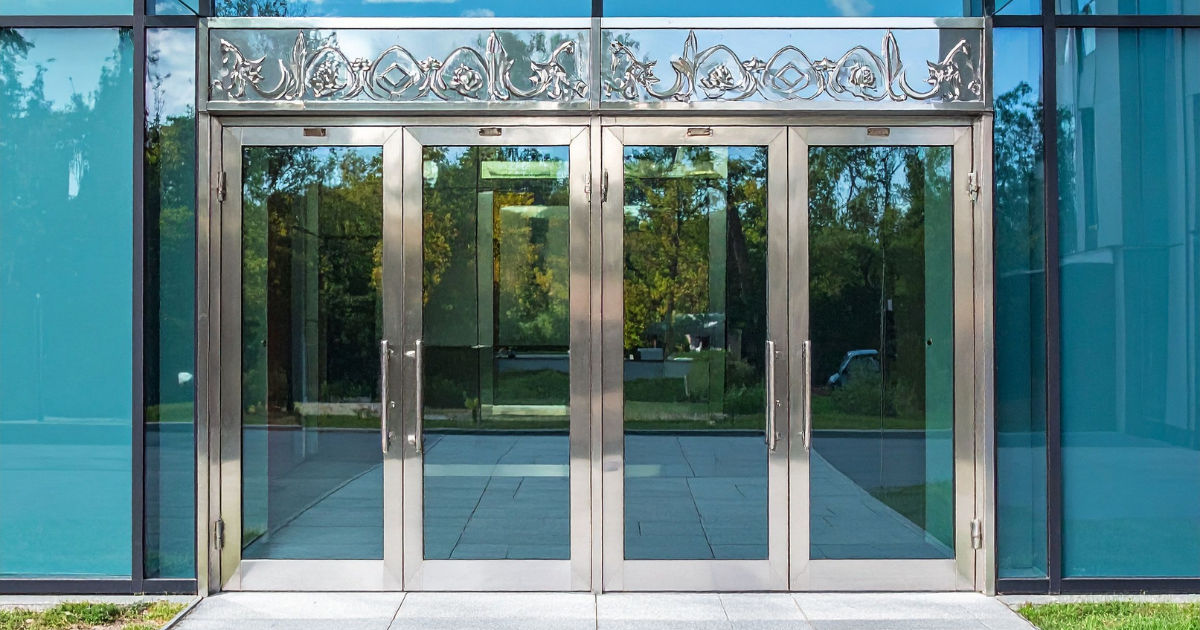
But even though Aluminum Composite Panels are known for strong performance, their lifespan varies depending on multiple environmental, structural, and installation-related factors. Understanding these factors can help builders, architects, and property owners make smarter decisions that extend the lifespan of Aluminum Composite Panels and maintain their long-term value.
This comprehensive guide explores everything that affects the lifespan of Aluminum Composite Panels. You will learn how climate, installation quality, panel composition, coating type, maintenance habits, and mechanical stresses all influence the durability of Aluminum Composite Panels.
Whether you design buildings, manage property, or work with construction materials, this guide will help you gain a clear understanding of how to maximize the service life of Aluminum Composite Panels.
Understanding the Basic Structure of Aluminum Composite Panels
Aluminum Composite Panels consist of two thin aluminum sheets bonded to a non-aluminum core. This core is often made from polyethylene or fire-retardant mineral materials. The outer surfaces can be coated with PVDF, polyester, or nano-coatings depending on the required level of durability.
Because of this layered structure, Aluminum Composite Panels offer excellent rigidity while remaining lightweight. Their unique construction also gives Aluminum Composite Panels strong insulation properties and resistance to corrosion, making them a popular choice in both exterior and interior applications.
However, the exact materials used in the core and outer layers play a major role in how long Aluminum Composite Panels can last. For example, a panel with a high-quality PVDF coating generally has a much longer lifespan than panels with low-quality or unprotected aluminum surfaces.
Understanding the basics of how Aluminum Composite Panels are built is essential because each component influences the overall lifespan and performance of the material.
Key Factors That Affect the Lifespan of Aluminum Composite Panels
Multiple variables influence the durability of Aluminum Composite Panels. Some are environmental, others relate to quality, usage, maintenance, or installation. Below, each factor is explained in detail to offer clarity about how these variables interact to affect real-world longevity.
Quality of Raw Materials
Raw material quality is among the biggest contributors to how long Aluminum Composite Panels will last. The aluminum alloy, the type of core material, and the quality of adhesive bonding layers all determine structural stability.
High-quality Aluminum Composite Panels use strong aluminum skins that resist corrosion, dents, and weathering. Panels with fire-retardant mineral cores not only improve safety but also perform better under extreme temperatures. On the other hand, lower-grade Aluminum Composite Panels may warp, separate, or deteriorate much faster.
Bonding adhesive quality matters as well. If the adhesive fails, the aluminum skins can detach from the core, reducing the structural integrity of the entire panel. Therefore, superior internal bonding is essential for extending the lifespan of Aluminum Composite Panels.
Type of Surface Coating Used
Surface coating is one of the strongest predictors of long-term performance. The most durable Aluminum Composite Panels typically use PVDF coatings, which provide excellent resistance to UV rays, humidity, pollution, and harsh chemicals.
Polyester coatings, while cheaper, do not last as long. They fade more quickly under sunlight and may scratch more easily. Nano-coatings offer high scratch resistance and advanced self-cleaning properties, which can help Aluminum Composite Panels maintain their appearance longer.
Because coatings protect the aluminum from external damage, selecting the right coating type is essential for extending the lifespan of Aluminum Composite Panels.
Environmental Conditions and Climate Exposure
Environmental exposure plays a massive role in how long Aluminum Composite Panels will last. The severity of climate conditions can either extend or shorten panel lifespan dramatically.
Regions with high humidity, acid rain, or salt air can cause corrosion or surface damage. Urban environments with heavy pollution may lead to more frequent discoloration. Strong sunlight and UV exposure gradually deteriorate coatings.
Extreme cold slows chemical reactions but can introduce thermal stress. Heat, moisture, wind, and airborne debris also contribute to long-term wear and tear. Aluminum Composite Panels that face direct sunlight or harsh climates require higher-grade coatings and more frequent maintenance to remain in excellent condition.
Installation Quality and Technique
Even the best Aluminum Composite Panels will fail prematurely if installation is performed incorrectly. Proper installation techniques ensure that Aluminum Composite Panels are supported correctly, ventilated properly, and attached securely to the building structure.
Poor installation can lead to:
-
panel warping
-
improper load distribution
-
water infiltration
-
loosening panels
-
increased wind resistance
-
structural instability
Contractors must account for thermal expansion, correct framing systems, proper fasteners, and accurate sealing. If any of these are ignored, the lifespan of Aluminum Composite Panels may shorten significantly.
A well-installed system can last decades, while poorly installed Aluminum Composite Panels may require repairs or replacement much sooner.
Mechanical Stress and Physical Impact
Aluminum Composite Panels are durable, but they can still suffer damage from repeated mechanical stress or sudden impact. Wind pressure, vibrations, and building movement all contribute to panel fatigue over time.
External impacts—such as hail, falling objects, or accidental hits—can dent or scratch Aluminum Composite Panels. Continuous vibration from nearby traffic, railways, or industrial machinery can loosen fasteners or weaken joints.
Buildings in high-wind regions must use stronger framing systems to protect Aluminum Composite Panels from mechanical stress. Over time, minimizing physical pressure can help prolong the lifespan of Aluminum Composite Panels.
Fire Exposure and Heat Resistance
Fire safety standards vary by region, but fire exposure affects the lifespan of Aluminum Composite Panels differently depending on their core materials.
Fire-retardant Aluminum Composite Panels are designed to resist flame spread and perform better during intense heat. Panels with polyethylene cores may degrade faster or fail under fire conditions.
Even if a fire does not directly destroy the panels, high heat exposure can weaken their internal bonding and reduce future performance. Thus, selecting fire-retardant Aluminum Composite Panels for high-risk buildings is a critical choice for long-term durability.
Frequency and Quality of Maintenance
Maintenance is one of the most overlooked factors affecting the lifespan of Aluminum Composite Panels. Regular cleaning and inspection prevent dirt buildup, corrosion, and long-term damage.
Routine maintenance tasks include:
-
washing the surface with diluted cleaners
-
checking sealants for cracks
-
inspecting fasteners
-
addressing minor scratches before they worsen
-
removing pollutants like dust, chemicals, and salt residue
Buildings near the coast or in industrial zones require more frequent maintenance because environmental contaminants can degrade Aluminum Composite Panels more quickly.
Well-maintained Aluminum Composite Panels last significantly longer than those left unattended.
UV Radiation and Weathering
UV radiation slowly breaks down coating layers, causing fading, chalking, or surface erosion. Aluminum Composite Panels exposed to long periods of direct sunlight experience faster wear unless they use UV-resistant coatings.
Regions near the equator, deserts, or high-altitude locations expose Aluminum Composite Panels to much stronger UV levels. Therefore, choosing PVDF-coated or nano-coated Aluminum Composite Panels is essential in sunny climates to ensure long-term color stability and surface durability.
Water Exposure and Moisture Control
Water infiltration is one of the biggest threats to the lifespan of Aluminum Composite Panels. While the aluminum surface itself resists corrosion, water can damage internal bonding layers or enter gaps if sealants fail.
Moisture problems arise from:
-
heavy rain
-
humidity
-
fog
-
condensation buildup behind panels
-
leaking joints
Proper sealing, drainage systems, and ventilation channels are essential for preventing moisture damage. Well-designed rainscreen systems greatly improve the lifespan of Aluminum Composite Panels by ensuring water never accumulates behind the panels.
Chemical and Industrial Pollution
Buildings located near factories, chemical plants, or polluted urban zones expose Aluminum Composite Panels to harsh contaminants. These pollutants can react with coatings, degrade finishes, or cause corrosion.
Common pollutants that affect Aluminum Composite Panels include:
-
sulfur dioxide
-
nitrogen oxides
-
acidic residues
-
industrial fumes
-
automotive exhaust
Panels with higher-grade coatings resist chemical corrosion better. Regular cleaning is also important for buildings exposed to industrial pollution to help maintain the lifespan of Aluminum Composite Panels.
Panel Thickness and Core Density
Thicker aluminum skins generally last longer. Panels with greater thickness resist dents, bending, and long-term deformation more effectively. High-density cores improve rigidity and structural stability.
If Aluminum Composite Panels are too thin or use low-density cores, they may lose structural integrity sooner. Therefore, architects often choose thicker Aluminum Composite Panels for exterior cladding or high-load areas to maximize durability.
Structural Movement and Building Flexibility
Buildings naturally shift over time due to temperature changes, wind loads, ground movement, and normal settling. If Aluminum Composite Panels are installed without allowing for expansion and contraction, cracks and deformation may occur.
Flexible mounting systems help Aluminum Composite Panels adjust to movement without damage. Failure to account for structural movement can dramatically shorten the lifespan of Aluminum Composite Panels.
Manufacturing Process and Quality Control
High-quality manufacturing ensures uniform thickness, proper bonding, advanced coating application, and strict quality checks. Poor manufacturing practices often result in defects such as:
-
uneven surfaces
-
weak bonding
-
inconsistent coating thickness
-
internal stress points
-
premature corrosion
Panels produced by reputable manufacturers typically offer longer lifespans. Investing in certified, high-quality Aluminum Composite Panels is essential for ensuring durable performance.
Sunlight, Temperature Fluctuations, and Thermal Expansion
Aluminum expands in heat and contracts in cold temperatures. Repeated thermal cycling can stress the bonding layers and mounting systems of Aluminum Composite Panels. If installation fails to account for thermal expansion, panels can crack or buckle.
Climate zones with extreme temperature fluctuations require expansion joints and properly engineered framing systems. Proper thermal management extends the lifespan of Aluminum Composite Panels significantly.
How Long Aluminum Composite Panels Typically Last
The lifespan of Aluminum Composite Panels varies depending on the factors described above. However, general lifespan estimates are:
-
Low-grade Aluminum Composite Panels: 10–15 years
-
Standard-grade Aluminum Composite Panels: 20–25 years
-
High-quality PVDF-coated Aluminum Composite Panels: 30+ years
-
Premium nano-coated Aluminum Composite Panels: up to 40 years
These numbers assume normal environmental conditions, proper maintenance, and correct installation. Panels exposed to extreme weather or pollution may have shorter lifespans unless they receive higher levels of care.
How to Maximize the Lifespan of Aluminum Composite Panels
To protect your investment and extend the life of Aluminum Composite Panels, follow these best practices:
Choose high-quality materials
Premium coatings, strong aluminum skins, and fire-retardant cores last longer.
Ensure professional installation
Certified installers understand ventilation, load distribution, and expansion allowances.
Clean panels regularly
Washing prevents corrosion, fading, and pollutant buildup.
Inspect sealants and joints
A small crack in a joint can lead to major long-term water damage.
Protect panels from unnecessary impact
Preventing dents and scratches helps maintain integrity.
Choose the right panel type for your environment
Use PVDF or nano-coated Aluminum Composite Panels in harsh climates.
By following these guidelines, the lifespan of Aluminum Composite Panels can be significantly extended.
Conclusion
Aluminum Composite Panels are one of the most versatile, durable, and visually appealing building materials available today. Their long lifespan makes them a reliable choice for modern architecture, but their true durability depends on multiple factors. From the quality of raw materials to environmental exposure, installation practices, coating types, and maintenance habits, every detail plays a role in how well Aluminum Composite Panels perform over time.
High-quality Aluminum Composite Panels with strong coatings and proper installation can last several decades, even in challenging environments. However, neglect, poor installation, or exposure to harsh climates can shorten their lifespan. Understanding these influences empowers architects, builders, and property owners to make smarter decisions when selecting, installing, and maintaining Aluminum Composite Panels.
With the right choices, Aluminum Composite Panels can remain strong, attractive, and structurally reliable for many years. Their longevity is not just a result of material strength but also the care and attention that goes into selecting, installing, and maintaining them. By applying the information in this guide, you can help ensure that Aluminum Composite Panels continue offering excellent performance throughout their entire service life.

Leave a Reply