

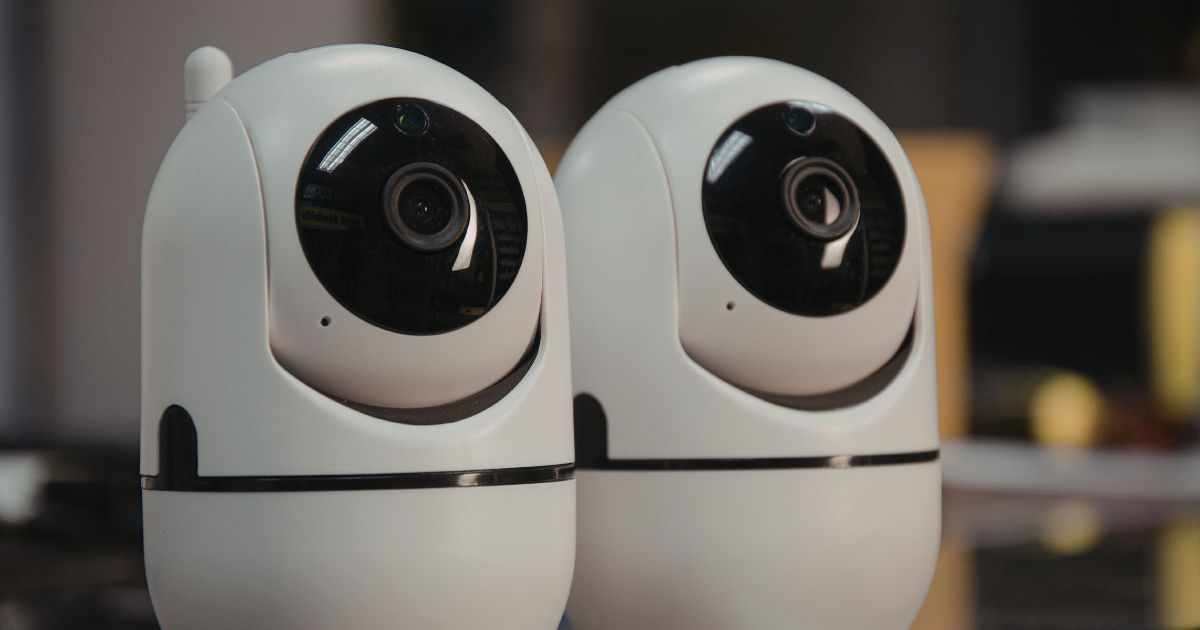
When it comes to securing your property, outdoor security camera installation plays a crucial role in protecting your home, business, or public space.
However, many people overlook an essential step: proper sealing. Without sealing, outdoor cameras are exposed to the elements, which can lead to damage, malfunctions, and reduced lifespan.
In this guide, we will explore why sealing is necessary, how it protects your cameras, and the best practices for achieving a secure, long-lasting installation.
Understanding Outdoor Security Camera Installation
Outdoor security camera installation is more than just mounting a camera on a wall or ceiling. It involves planning for coverage, ensuring proper connectivity, and protecting the device from environmental factors. Outdoor cameras face unique challenges compared to indoor devices, such as:
-
Rain, snow, and humidity
-
Extreme heat or cold
-
Dust, debris, and insects
-
Direct sunlight and UV exposure
Neglecting these factors can lead to camera failure, blurry footage, or even electrical hazards. Sealing your installation addresses many of these issues, ensuring the cameras remain functional and reliable.
The Importance of Sealing in Outdoor Security Camera Installation
Sealing is critical for outdoor security camera installation for several reasons. Let’s break them down:
1. Protection from Moisture
Water is one of the biggest threats to electronics. Rain, snow, or condensation can seep into the camera housing, causing short circuits or corrosion. Proper sealing prevents water from entering sensitive components.
2. Dust and Debris Prevention
Dust, sand, and other debris can accumulate inside cameras, reducing visibility and damaging internal mechanisms. Sealing creates a barrier against these elements, keeping the lens and electronics clean.
3. Temperature Regulation
Although sealing primarily protects from moisture, it also helps moderate temperature effects. For example, waterproof seals often work in conjunction with insulation materials that reduce the impact of heat or cold on the camera.
4. Pest Deterrence
Small insects or rodents may find their way into unsecured camera housings. Sealing the installation prevents pests from nesting inside the camera, which can damage wires or obstruct lenses.
Types of Sealing Materials for Outdoor Security Camera Installation
When performing outdoor security camera installation, choosing the right sealing material is essential. Common materials include:
Silicone Sealant
Silicone is highly flexible, waterproof, and weather-resistant. It is ideal for sealing gaps around camera mounts, junction boxes, and cable entries.
Rubber Gaskets
Many cameras come with built-in rubber gaskets that provide an additional layer of protection. They are effective in preventing dust and water ingress.
Epoxy Resin
For areas that require permanent sealing, epoxy resin can provide an airtight and waterproof barrier. However, it is less flexible and more challenging to remove if maintenance is needed.
Foam Tapes
Weatherproof foam tapes are useful for small gaps around cable entrances. They are easy to apply and provide a temporary seal that can be replaced during maintenance.
Step-by-Step Guide to Proper Outdoor Security Camera Installation Sealing
Proper sealing during outdoor security camera installation is not complicated but requires attention to detail. Here’s a step-by-step guide:
Step 1: Plan Your Camera Locations
Before installation, determine the best positions for cameras. Consider areas prone to weather exposure and ensure they are accessible for maintenance.
Step 2: Prepare the Mounting Surface
Clean the surface where the camera will be installed. Remove dirt, dust, and moisture. A clean surface ensures better adhesion for sealants.
Step 3: Install the Camera Housing
Mount the camera securely using screws or brackets. Ensure the housing is properly aligned to cover all desired areas.
Step 4: Seal Cable Entry Points
Use silicone sealant or foam tape to seal any gaps around cables entering the camera housing. Ensure there are no open spaces where water or dust can penetrate.
Step 5: Seal Mounting Gaps
Apply a thin layer of sealant around the base of the camera mount. This prevents water from seeping behind the camera and damaging the wall or mounting surface.
Step 6: Inspect and Test
After sealing, inspect the installation for any visible gaps. Test the camera by running it during different weather conditions to ensure it remains functional.
Common Mistakes in Outdoor Security Camera Installation
Even experienced installers can make mistakes if sealing is ignored or done incorrectly. Common mistakes include:
-
Using the wrong sealant: Not all sealants are weatherproof. Using indoor-grade sealant can fail quickly outdoors.
-
Incomplete coverage: Missing a small gap can allow moisture or dust to enter the camera.
-
Over-sealing: Applying too much sealant can block ventilation or make maintenance difficult.
-
Ignoring cables: Even if the camera housing is sealed, unprotected cables can let water travel inside and damage electronics.
Avoiding these mistakes is crucial for the longevity of your outdoor security camera installation.
Environmental Considerations for Outdoor Security Camera Installation
When sealing outdoor cameras, consider the environmental conditions in your area:
-
High rainfall regions: Use heavy-duty waterproof sealants and ensure proper sloping to avoid water pooling.
-
Snowy climates: Ensure seals can handle freeze-thaw cycles to prevent cracks.
-
Desert areas: Dust-proof seals are critical to prevent sand damage.
-
Humid regions: Use moisture-resistant sealants to prevent condensation inside cameras.
Benefits of Properly Sealed Outdoor Security Camera Installation
Sealing during outdoor security camera installation offers several benefits:
Extended Lifespan
Sealed cameras are protected from environmental damage, which can significantly extend their operational lifespan.
Improved Performance
Sealing prevents dust, moisture, and pests from affecting the camera lens and electronics, ensuring clearer footage.
Reduced Maintenance Costs
A properly sealed camera requires fewer repairs and replacements, saving money over time.
Enhanced Security
Sealed installations are less likely to fail during critical moments, ensuring continuous monitoring of your property.
Maintenance Tips for Sealed Outdoor Cameras
Even with proper sealing, outdoor cameras require regular maintenance. Here are some tips:
-
Inspect seals annually for cracks or wear
-
Clean the camera lens and housing to prevent dirt accumulation
-
Check cable seals for signs of water ingress
-
Reapply sealant if any gaps appear
Regular maintenance ensures your outdoor security camera installation remains fully functional and protected.
Advanced Sealing Techniques for High-Risk Areas
In high-risk areas, such as regions with extreme weather or high theft risk, advanced sealing techniques may be required:
-
Double Sealing: Applying both silicone and epoxy for maximum protection
-
Weatherproof Enclosures: Using additional protective boxes for cameras
-
Cable Conduits: Running cables through sealed conduits to prevent water travel
-
UV Protection: Using UV-resistant sealants to prevent degradation from sunlight
These measures enhance the resilience of your outdoor security system.
How Professional Installers Approach Sealing
Professional installers understand that outdoor security camera installation is not just about placement. They follow best practices:
-
Conduct a thorough site survey
-
Choose appropriate sealing materials for local weather
-
Ensure proper cable management and entry point sealing
-
Test cameras post-installation for leaks or exposure
Hiring professionals can ensure your investment is protected and your security system performs optimally.
Conclusion
Sealing is an essential step in outdoor security camera installation that cannot be overlooked. It protects cameras from moisture, dust, pests, and extreme temperatures, extending their lifespan and improving performance. Using the right materials and techniques ensures a reliable and durable security system. Whether you are installing cameras yourself or hiring a professional, understanding the importance of sealing will help you make the most of your security investment.
Remember, a well-sealed camera is not just about protection—it’s about peace of mind, knowing that your property is monitored reliably, rain or shine. Proper planning, careful installation, and regular maintenance are the keys to a successful outdoor security camera system.
By prioritizing sealing during installation, you safeguard your cameras, minimize maintenance costs, and ensure continuous protection for years to come.

Leave a Reply