

When it comes to maintaining the health and beauty of your garden, understanding the difference between pruning and trimming is essential. Many homeowners often confuse these two terms, but they serve distinct purposes and have unique benefits.
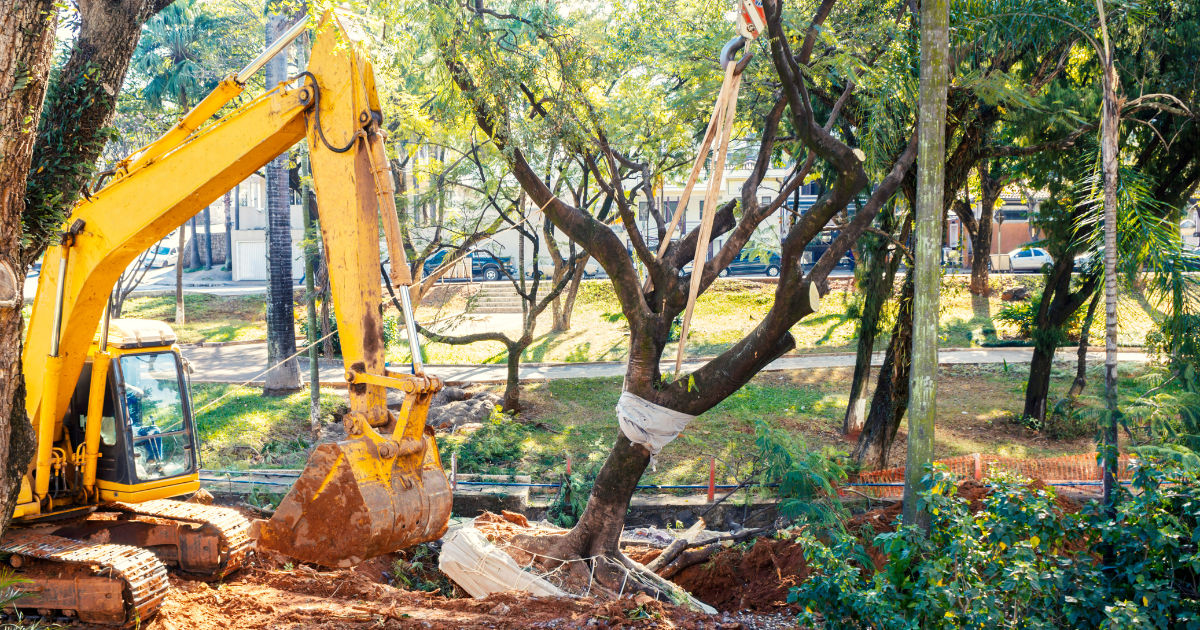
If you are searching for tree pruning Canberra, knowing when to prune versus when to trim can make all the difference in keeping your trees healthy and visually appealing.
This guide will help you understand the fundamental differences, techniques, tools, and best practices for pruning and trimming so that you can care for your garden like a professional.
Understanding the Basics
Before diving into the differences, let’s define both terms clearly.
Pruning is the selective removal of specific parts of a plant, such as branches, buds, or roots. Its main goal is to improve the plant’s structure, encourage healthy growth, and prevent disease. Pruning is usually more strategic and is often done during specific seasons to maximize the plant’s health benefits.
Trimming, on the other hand, is the act of cutting back overgrown areas of plants, bushes, or trees primarily for aesthetic reasons. Trimming helps maintain a desired shape or size, giving the garden a neat and tidy appearance. Unlike pruning, trimming is usually more frequent and focuses less on the plant’s health and more on its appearance.
Understanding these basic definitions is the first step toward mastering garden maintenance.
Why Tree Maintenance is Important
Regular tree maintenance, including both pruning and trimming, is essential for several reasons:
-
Health Improvement: Removing dead or diseased branches prevents the spread of infections.
-
Safety: Overgrown branches can become hazardous, especially near walkways, homes, or power lines.
-
Aesthetic Appeal: Well-maintained trees enhance the visual appeal of your garden or property.
-
Increased Fruit and Flower Production: Correct pruning encourages better flowering and fruiting in plants.
If you are in Canberra and want professional results, seeking tree pruning Canberra services can ensure your trees remain healthy and beautiful.
Key Differences Between Pruning and Trimming
Here are the main distinctions that separate pruning from trimming:
Purpose
-
Pruning: Focuses on the long-term health and structure of the plant. It aims to remove damaged, dead, or diseased branches and to guide the plant’s growth.
-
Trimming: Focuses on maintaining the desired shape or size. It keeps the plant neat and manageable.
Timing
-
Pruning: Usually performed during the plant’s dormant season or specific growth periods to minimize stress.
-
Trimming: Can be done throughout the growing season whenever the plant appears overgrown.
Techniques
-
Pruning: Involves cutting at specific angles and at precise locations to encourage healthy growth.
-
Trimming: Involves cutting back overgrown areas, often without strict attention to angles or cuts.
Tools Used
-
Pruning: Requires specialized tools like pruning shears, loppers, and saws. These tools allow precise cuts to promote plant health.
-
Trimming: Often uses hedge trimmers, shears, or electric tools for speed and efficiency.
Result
-
Pruning: Improves plant structure, promotes strong growth, and prevents disease.
-
Trimming: Enhances the aesthetic appeal by shaping the plant or controlling its size.
Understanding these differences ensures that you can apply the right technique for your tree or plant’s needs.
When to Prune
Pruning should be done carefully and with specific goals in mind. Here are some situations that require pruning:
-
Dead or Diseased Branches: Removing these helps prevent disease spread.
-
Overcrowded Branches: Thinning out branches improves air circulation and light penetration.
-
Shaping Young Trees: Early pruning helps develop a strong structure.
-
Flower or Fruit Production: Strategic pruning stimulates flowering and fruiting.
If you are unsure about how or when to prune, hiring professionals for tree pruning Canberra ensures the job is done correctly.
When to Trim
Trimming is more about maintaining appearance and control. Here’s when trimming is appropriate:
-
Overgrown Hedges or Shrubs: Keep your garden tidy.
-
Maintaining Shape: Ensure uniformity in hedges, topiaries, and ornamental trees.
-
Safety Concerns: Trim branches that obstruct pathways or vision.
-
Encouraging Bushier Growth: Light trimming can stimulate denser growth in certain plants.
Trimming is generally less invasive than pruning and can be done more frequently without harming the plant.
Tools Required for Pruning and Trimming
Choosing the right tools is essential for effective pruning and trimming.
Pruning Tools
-
Pruning Shears: Ideal for small branches and stems.
-
Loppers: Perfect for thicker branches that are difficult to cut with shears.
-
Pruning Saw: Used for large, stubborn branches.
-
Pole Pruner: For reaching high branches without using a ladder.
Trimming Tools
-
Hedge Trimmers: Electric or manual, perfect for shaping hedges.
-
Grass Shears: Useful for small bushes and edges.
-
Pruning Shears: Can also be used for light trimming tasks.
Proper maintenance of these tools, including sharpening and cleaning, ensures better results and reduces damage to plants.
Steps for Effective Pruning
Pruning requires careful planning and technique. Follow these steps for the best results:
-
Identify the Branches to Remove: Focus on dead, damaged, or overcrowded branches.
-
Use the Right Tools: Choose shears, loppers, or saws based on branch size.
-
Make Clean Cuts: Avoid tearing the bark or leaving jagged edges.
-
Cut at the Correct Angle: Generally, cuts should be at a 45-degree angle.
-
Step Back and Assess: Ensure you are maintaining the plant’s natural shape.
Professional services for tree pruning Canberra can handle larger trees safely and efficiently, especially when high branches are involved.
Steps for Effective Trimming
Trimming is usually simpler than pruning, but it still requires attention:
-
Plan the Shape: Decide the shape or size you want to maintain.
-
Use Appropriate Tools: Hedge trimmers for large areas, shears for smaller ones.
-
Trim in Small Sections: Avoid cutting too much at once.
-
Check Symmetry: Make sure the plant looks balanced.
-
Clean Up Debris: Remove cuttings to prevent pests and maintain aesthetics.
Trimming can be done seasonally or as needed, depending on the plant’s growth rate and appearance.
Common Mistakes to Avoid
Many gardeners make mistakes that can harm their plants. Here are some to watch out for:
-
Over-pruning: Removing too many branches can stress the tree and slow growth.
-
Cutting at the Wrong Angle: Improper cuts can damage the plant and make it susceptible to disease.
-
Pruning at the Wrong Time: Pruning at the wrong season can affect flowering or fruiting.
-
Using Dull Tools: Can tear branches rather than cut cleanly.
-
Ignoring Safety: Always use gloves, eye protection, and ladders safely when pruning or trimming tall trees.
Avoiding these mistakes ensures healthy growth and reduces the risk of damage.
Benefits of Pruning
Pruning offers numerous benefits beyond aesthetics:
-
Improves Tree Health: Removes diseased or dead branches.
-
Encourages Strong Growth: Helps shape the tree for better structural integrity.
-
Increases Fruit and Flower Yield: Strategic pruning stimulates productive growth.
-
Prevents Pest Infestation: Removing dead wood reduces places for pests to hide.
For residents in Canberra, expert tree pruning Canberra services can maximize these benefits, ensuring trees thrive in both urban and suburban settings.
Benefits of Trimming
Trimming provides benefits mainly related to appearance and convenience:
-
Enhances Aesthetic Appeal: Keeps hedges, shrubs, and trees neat.
-
Maintains Control: Prevents plants from growing too large or overhanging spaces.
-
Encourages Dense Growth: Light trimming promotes fuller plants.
-
Safety and Accessibility: Reduces branches that block pathways or pose hazards.
While trimming may not improve health as much as pruning, it is essential for maintaining a beautiful garden.
Hiring Professionals vs. DIY
While many homeowners enjoy gardening, certain tasks require professional expertise:
When to DIY
-
Small shrubs or ornamental trees.
-
Light trimming for aesthetic purposes.
-
Routine maintenance without structural changes.
When to Hire Professionals
-
Large or tall trees.
-
Pruning near power lines or hazardous areas.
-
Trees with diseases or structural issues.
-
Seeking optimal growth and health outcomes.
Professional services, especially tree pruning Canberra, offer experienced arborists, the right tools, and safety measures to protect both the trees and your property.
Tips for Year-Round Tree Care
Maintaining trees goes beyond pruning and trimming. Here are some tips:
-
Water Appropriately: Ensure consistent moisture without overwatering.
-
Mulch Around Trees: Protect roots and retain soil moisture.
-
Monitor for Pests and Diseases: Early detection prevents serious damage.
-
Fertilize as Needed: Use appropriate fertilizers to encourage healthy growth.
-
Inspect Regularly: Check for dead branches, cracks, or signs of stress.
Following these tips will enhance the effectiveness of pruning and trimming, ensuring a healthier and more beautiful garden.
Conclusion
In summary, understanding the difference between pruning and trimming is essential for maintaining healthy, attractive trees and plants. Pruning focuses on long-term health, structural improvement, and disease prevention, while trimming is primarily for aesthetic control and shaping. Both practices are necessary, but they serve distinct purposes and require different techniques, timing, and tools.
For homeowners in Canberra, professional tree pruning Canberra services provide the expertise needed to maintain your trees safely and effectively. Regular pruning and trimming, combined with proper care practices, can transform your garden, enhance the beauty of your property, and ensure the long-term health of your trees. By following the guidelines in this comprehensive guide, you can confidently approach tree care and enjoy a vibrant, safe, and well-maintained outdoor space.
Whether you choose to DIY small tasks or hire professionals for larger projects, the key is consistency and proper technique. Remember, a well-cared-for tree not only adds aesthetic value but also contributes to a healthier environment and a safer outdoor space.
By mastering pruning and trimming, you ensure that your garden remains thriving, visually appealing, and structurally sound for years to come.

Leave a Reply