

Civil engineering and construction projects cannot succeed without accurate measurements, precise planning, and detailed documentation. This is where civil surveyors play a crucial role. Whether it's designing a new highway, constructing a bridge, or planning a residential area, civil surveyors ensure that every step is executed with precision. If you are aspiring to join this field, enrolling in a Surveyor Course in Rawalpindi can provide the knowledge and skills needed to kickstart your career.
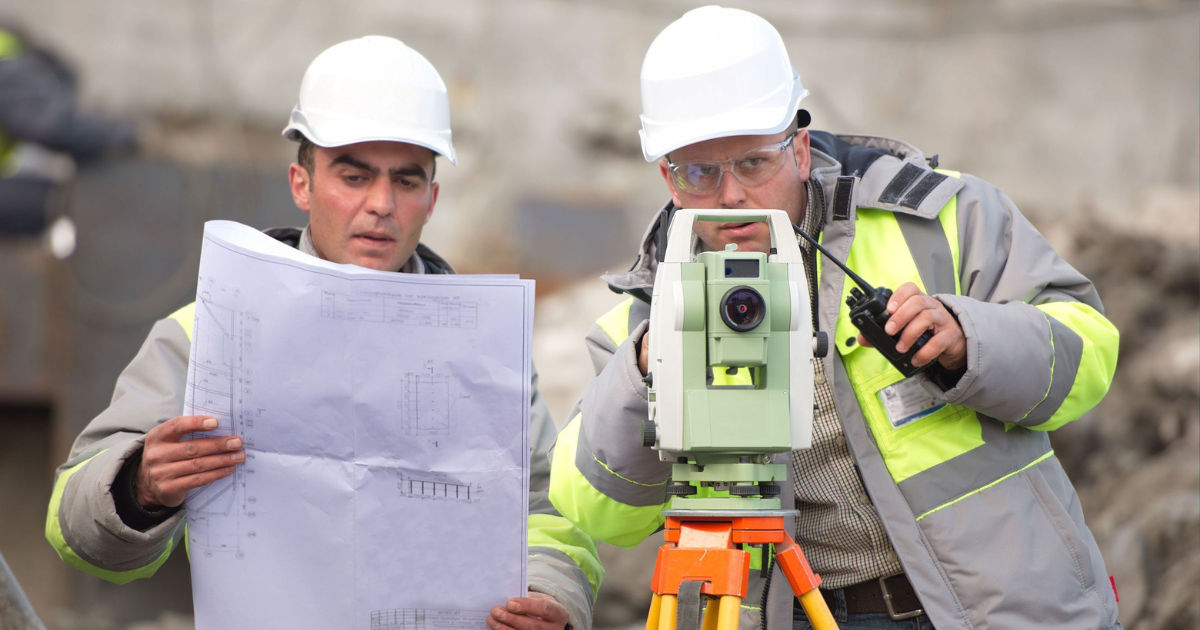
Civil surveyors are professionals who specialize in measuring and mapping land, water, and infrastructure projects. Their expertise guides engineers, architects, and construction teams, ensuring projects are structurally sound, compliant with regulations, and economically viable. In this article, we will explore the roles, responsibilities, and skills of civil surveyors, and why pursuing a Surveyor Course in Rawalpindi is beneficial for aspiring professionals.
Understanding the Role of a Civil Surveyor
A civil surveyor’s role goes beyond simply taking measurements. They act as a bridge between design concepts and real-world execution. Their work provides a foundation for planning, designing, and constructing infrastructure that meets safety standards and client expectations.
Surveyors are responsible for gathering critical data about land contours, property boundaries, elevations, and environmental conditions. This data informs engineers and architects during the planning phase, ensuring that projects are feasible and free of structural errors.
Types of Civil Surveys
Civil surveyors perform various types of surveys depending on project requirements. The main types include:
-
Topographic Surveys: These surveys focus on mapping the physical features of land, including hills, valleys, rivers, roads, and buildings. This information is crucial for planning construction projects.
-
Boundary Surveys: Boundary surveys define the exact legal boundaries of a property. This is essential for avoiding disputes between landowners.
-
Construction Surveys: These surveys ensure that structures are built according to design specifications. Surveyors mark out building positions, monitor elevations, and guide the construction team.
-
Hydrographic Surveys: These surveys involve measuring and mapping water bodies such as rivers, lakes, and coastal areas. They are important for flood management, bridge construction, and water resource planning.
Key Responsibilities of a Civil Surveyor
Civil surveyors have a wide range of responsibilities that require technical knowledge, attention to detail, and strong analytical skills. Some of their key duties include:
1. Measuring Land and Infrastructure
Surveyors use specialized equipment like total stations, GPS devices, and drones to measure distances, angles, and elevations accurately. These measurements are critical for designing roads, bridges, and buildings. Without precise measurements, construction projects can face costly delays or structural issues.
2. Preparing Maps and Plans
One of the main outputs of a civil surveyor’s work is detailed maps and plans. These documents illustrate the terrain, property lines, and infrastructure layouts. Engineers and architects rely heavily on these maps to make informed decisions during the project lifecycle.
3. Assisting in Project Planning
Surveyors provide essential data that helps in the planning stage of a project. They identify challenges such as uneven terrain, flood-prone areas, or unstable soil conditions. This allows the design team to develop solutions before construction begins, saving time and resources.
4. Monitoring Construction Progress
During construction, civil surveyors frequently check whether the project aligns with design specifications. They verify elevations, angles, and distances to ensure structures are built correctly. This ongoing supervision minimizes errors and ensures quality control.
5. Conducting Environmental Assessments
Surveyors often assess environmental impacts before starting a project. They identify natural features, ecosystems, and water resources that could be affected by construction. This helps in implementing sustainable practices and meeting environmental regulations.
6. Collaborating with Stakeholders
Surveyors work closely with engineers, architects, contractors, and government authorities. Clear communication is essential to ensure that everyone understands the survey data and implements it accurately in their work.
Tools and Technology Used by Civil Surveyors
Modern civil surveyors rely on advanced tools and technology to enhance accuracy and efficiency. Some commonly used equipment includes:
-
Total Stations: These devices measure angles and distances with high precision.
-
GPS Surveying Equipment: GPS systems provide accurate location data and are widely used in mapping large areas.
-
Drones: Unmanned aerial vehicles capture aerial images for topographic surveys, reducing the time and effort required on-site.
-
Laser Scanners: These devices create 3D models of land and structures, aiding in detailed analysis.
-
GIS Software: Geographic Information System software helps surveyors manage, analyze, and visualize spatial data.
Using these tools, civil surveyors can deliver reliable data that supports every stage of a construction or engineering project.
Skills Required to Become a Civil Surveyor
Becoming a civil surveyor requires a combination of technical knowledge, analytical abilities, and soft skills. The key skills include:
-
Mathematics and Geometry: Surveying involves precise calculations for distances, angles, and elevations.
-
Technical Proficiency: Surveyors must operate advanced equipment and software efficiently.
-
Attention to Detail: Even small measurement errors can cause major issues in construction projects.
-
Problem-Solving: Surveyors often face unexpected challenges, such as rough terrain or obstructed views, requiring quick solutions.
-
Communication Skills: Surveyors must explain complex data to engineers, architects, and clients clearly.
For individuals aspiring to build these skills, a Surveyor Course in Rawalpindi provides structured training, practical experience, and exposure to industry-standard tools.
Educational Path to Becoming a Civil Surveyor
To become a civil surveyor, one typically needs a combination of formal education and practical experience. The steps include:
1. High School Education
A strong foundation in mathematics, physics, and computer science is essential for aspiring surveyors. Students should focus on courses that develop analytical and technical skills.
2. Surveyor Training Courses
Enrolling in a professional course, such as a Surveyor Course in Rawalpindi, equips students with practical surveying knowledge. These courses cover topics such as:
-
Land measurement techniques
-
Construction surveying methods
-
Use of surveying equipment and software
-
Map reading and drafting skills
Hands-on training during these courses prepares students for real-world challenges.
3. Internship or On-Field Experience
Practical experience is invaluable for civil surveyors. Internships or fieldwork allow students to apply theoretical knowledge, gain confidence in handling equipment, and understand workflow in construction projects.
4. Certification and Licensing
In many countries, surveyors must obtain certification or licensing to practice professionally. Certification often requires passing exams that test technical knowledge and practical skills.
Importance of Civil Surveyors in Construction Projects
Civil surveyors are indispensable to the construction industry. Their work ensures that projects are built on solid foundations, structurally sound, and compliant with legal requirements. Here are some reasons why surveyors are crucial:
-
Accuracy in Planning: Surveyors provide precise measurements that form the basis of design and construction.
-
Cost Efficiency: Identifying potential issues early reduces material waste, errors, and rework costs.
-
Safety Assurance: Proper surveying prevents structural failures, ensuring safety for workers and the public.
-
Legal Compliance: Surveyors define property boundaries and comply with local laws, preventing disputes.
By enrolling in a Surveyor Course in Rawalpindi, students can contribute significantly to the construction sector while securing a stable and rewarding career.
Career Opportunities for Civil Surveyors
Civil surveying offers diverse career paths. Graduates can work in both public and private sectors. Popular career opportunities include:
-
Construction Surveyor: Focuses on monitoring construction projects, ensuring adherence to design specifications.
-
Geospatial Analyst: Works with geographic data to create maps, analyze terrain, and plan infrastructure.
-
Hydrographic Surveyor: Specializes in surveying water bodies for marine, river, and coastal projects.
-
Land Surveyor: Determines property boundaries and legal land divisions for private and government projects.
-
Urban Planner: Uses survey data to design sustainable and efficient city layouts.
The demand for skilled civil surveyors continues to grow due to increasing infrastructure development worldwide.
Challenges Faced by Civil Surveyors
While surveying is rewarding, it comes with its challenges:
-
Harsh Working Conditions: Surveyors often work outdoors in extreme weather, uneven terrain, and remote locations.
-
Technological Adaptation: Rapid advancements in surveying equipment and software require continuous learning.
-
Precision Pressure: A minor error in measurements can lead to costly mistakes in construction.
-
Legal and Regulatory Compliance: Surveyors must stay updated with laws and regulations, which can vary by region.
Despite these challenges, surveyors who are well-trained and experienced can thrive in this profession.
Benefits of Taking a Surveyor Course in Rawalpindi
For those interested in civil surveying, a Surveyor Course in Rawalpindi provides a strong foundation. The benefits include:
-
Practical Training: Students gain hands-on experience with modern surveying equipment.
-
Industry-Relevant Curriculum: Courses cover essential topics aligned with current construction and engineering standards.
-
Expert Guidance: Experienced instructors mentor students, helping them understand complex concepts.
-
Career Opportunities: Graduates have higher employability in construction companies, government departments, and consulting firms.
-
Networking: Courses often provide opportunities to connect with industry professionals, enhancing career prospects.
Enrolling in such a course ensures that students are well-prepared for a successful surveying career.
Future of Civil Surveying
The field of civil surveying is evolving rapidly due to technological advancements. Innovations like drones, LiDAR scanning, and 3D mapping are transforming the way surveys are conducted. These technologies increase efficiency, reduce errors, and expand the scope of surveying projects.
Additionally, sustainable construction practices and environmental awareness are influencing surveying methods. Surveyors are now involved in projects that prioritize eco-friendly designs, renewable energy infrastructure, and climate-resilient planning.
With the right education and skills, such as those gained from a Surveyor Course in Rawalpindi, aspiring surveyors can be part of this dynamic and essential industry.
Conclusion
Civil surveyors play a critical role in the construction and engineering sectors. From measuring land and preparing maps to guiding construction projects and ensuring environmental compliance, their work forms the backbone of successful infrastructure development. Accurate data, attention to detail, and technical expertise are essential for a surveyor’s success.
For students and professionals aspiring to enter this field, enrolling in a Surveyor Course in Rawalpindi offers structured training, practical experience, and industry-relevant knowledge. The demand for skilled civil surveyors continues to grow globally, making it a rewarding and stable career choice.
Civil surveying is more than a profession; it is a vital component of building safe, sustainable, and efficient infrastructure. By mastering the skills, tools, and responsibilities outlined above, you can make a significant impact in the field of civil engineering and construction.

Leave a Reply